
2025 International Francophone Scientific Day
Literacy in palliative and end-of-life care: learning to understand each other
There are many myths and false beliefs about palliative and end-of-life care (EOLC) such as that it's only about symptom management, or that it's reserved exclusively for the dying and not suitable for children. It is therefore essential to demystify them, to keep stakeholders informed and to enable the public, patients and their loved ones, as well as caregivers, to acquire the skills they need to understand, evaluate and use health information on the different trajectories of care, dying and death. This approach gives meaning to this information, enabling its appropriation and empowerment, as well as the development of self-management skills at this final stage of life. However, the main players in the healthcare field sometimes face challenges in meeting the informational and semantic or symbolic needs of these people, as well as taking into account their emotional and experiential aspects. Considering the need to ensure accurate and appropriate information sharing, as well as the ability to question and understand wishes, it is essential to take into account various barriers such as age, cognitive ability, socio-cultural context and stage of illness. In this sense, palliative care literacy is a concept to be taken into account. Sørenson et al (2012) present health literacy as "the knowledge, skills, motivation and ability to locate, understand, evaluate and use health information when making decisions in healthcare, disease prevention and health promotion contexts to maintain or improve quality of life."
Objectives:
- Share research experience and new knowledge on issues related to the literacy of people with PEOLC, their loved ones, caregivers and the population.
- Identify and understand literacy challenges in PEOLC.
- Explore possible solutions for improved literacy in PEOLC.
- Determine future research directions on the topic of literacy and information needs in PEOLC.
Learn more about literacy issues in palliative and end-of-life care
Literacy of death: what future for research?
Clémence COUPAT
Faculty of Nursing, Université de Montréal
Context: Death literacy (DL) was conceptualized by an interdisciplinary research team (Noonan et al., 2016). It is not just for people in palliative or end-of-life care and refers to the dynamic learning continuum that includes all the knowledge and skills to understand and act on end-of-life issues and options. SCI derives from health literacy, which has a variety of definitions and theoretical and philosophical anchors (Sørensen et al., 2012).
Objective : Considering the potential influence of SCI on the improvement of person-centered care, we explore this concept in order to initiate a reflection on its use in research.
Method: Critical reflection inspired by Smith and Mörelius' (2021) principles of concept analysis: epistemological, pragmatic, linguistic and logical.
Results: In CINAHL, MEDLINE and Web of Science, we identify 41 writings. A portrait of the contexts in which the concept is used is drawn up, then consistency is explored between the foundations of the concept according to Noonan et al. (2016) and those of the writings in which SCI is a central concept. Finally, we propose an initial modeling of the SCI concept as it is used in the current literature and suggest avenues for using the concept in future research.
Discussion: Mobilizing SCI in empirical research could facilitate the general population's awareness of issues related to the dying and death process and foster informed decision-making about our end-of-life wishes. In addition, we highlight SCI's potential for stakeholder involvement in societal debates surrounding death and dying.
Family communication during the serious illness of a parent with young children
Marthe DUCOS
Psychopathology and Change Processes Laboratory, University of Paris 8
Objectives : Patients received at the Centre de Lutte Contre le Cancer Bergonié (Bordeaux) experience a care pathway marked by numerous difficulties (physical, psychic...). Parents often express their regret at neglecting their children, due to a lack of psychic availability, while at the same time expressing wishes for protection and needs in the face of their difficulties in sharing their experiences. Children have specific needs in terms of understanding their parent's illness and its side effects. Their needs in terms of sharing their experiences differ: they seek verification of their parents' claims, compare themselves with other children who may or may not have a sick parent, and express a need to see care facilities. The aim of our proposal is to provoke reflection around family support in the context of a parent's illness.
Methods : To meet these objectives and needs we have proposed the Shifumi parent-child discussion group. Our methodology is qualitative, grounded in practice (Castelnuovo, 2010). It uses clinical interviews and observation to encourage inductive data rooted in the field. We analyze verbatims (open coding, Braun & Clarke, 2006).
Results : Two themes emerge: a lack of knowledge and a need for explanation expressed by the children, and a feeling of a lack of "competence" on the part of the parents towards their children in relation to their illness/spouse's illness.
Discussion : The aim of the research is to provide guidance. It will involve discussing the issues linked to speech for families. This speech points to children's lacks, doubts and need to know. The prejudices and taboos associated with illness, death and end-of-life care, particularly when dealing with children, are avenues to be explored.
Speaker
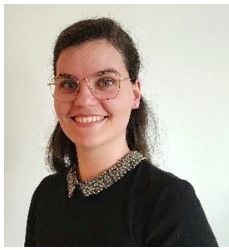
A doctoral student in nursing at Université de Montréal under the supervision of Emilie Allard, Clémence COUPAT is a registered nurse in France (2017) with two years' experience in oncology-palliative care. Having emigrated to Quebec in 2019 and worked in geriatrics on arrival, she accumulates clinical experience in two different countries, apprehending the challenges of disseminating palliative care knowledge and understanding it cross-culturally. Since September 2023, she has been pursuing her doctoral studies, with a research project aimed at modeling the process leading to the formulation of end-of-life wishes in partnership with adults living in Montreal.
Speaker
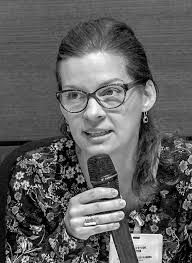
Clinical psychologist, associate researcher at the Laboratoire Psychopathologie et Processus de Changement at Paris 8, Marthe DUCOS completed her doctoral thesis in psychology on the experience of the young child who loses a parent to cancer (2021). Her clinical practice is based around two axes within the Bordeaux Cancer Center, Institut Bergonié: welcoming families within family consultations and a Shifumi parent-child group, and working in the Mobile Palliative Care Team. Her research focuses on the Shifumi system, as well as on the study of bereavement of the spouse when the patient has received deep and continuous sedation maintained until death (Aftersedatio, research supported by Inca). She also teaches psycho-affective development and observation of young children (University of Bordeaux and Institut Catholique de Toulouse) and clinical practice analysis (Paris 8). She is a member of the Scientific Council of the Société Française d'Accompagnement et de Soins Palliatifs and co-coordinates the national Research group and the Collège des Psychologues de la Nouvelle-Aquitaine.
A public health perspective on end-of-life care health competencies among older adults in Switzerland
Clément MEIER
HEC Laboratory, University of Lausanne
The approach to healthcare has shifted from a paternalistic to a patient-centered model, emphasizing individual decision-making, particularly at the end of life. This shift, reinforced by an aging population and medical advances, underscores the importance of exploring the health skills needed to make complex decisions. However, research on end-of-life care skills remains limited.
This doctoral thesis presents a synthesis of Swiss research on end-of-life care skills in older adults, using data from the Survey on Health, Ageing and Retirement in Europe (SHARE). It also introduces and validates a new measurement instrument: the S-EOL-HLS scale. The results show that around one in three older adults in Switzerland has a low level of health competence, and has difficulty managing health-related issues. Sub-groups at risk vary according to gender, education, financial difficulties and self-assessed health status. Misunderstandings persist about end-of-life medical situations, with many individuals overestimating or underestimating the effectiveness of certain treatments. For example, only 9.3% of people knew the chances of survival after out-of-hospital resuscitation for a 70-year-old, with the better informed being more likely to refuse resuscitation.
The S-EOL-HLS scale appears to effectively measure end-of-life care skills, with higher scores associated with better knowledge of medical situations and more proactive engagement in care planning. In conclusion, these studies suggest the need for new public policies to strengthen end-of-life care skills in the elderly, thereby improving quality of care.
Cultural competence in palliative care: exploring nursing perception in a multicultural and multilingual context
Mélisa LEFEBVRE
Nursing sciences, Haute École de Namur-Liège-Luxembourg (Henallux)
Introduction: Increasing migration is creating culturally diverse societies, making healthcare complex. Caregivers need to develop cultural competence (CC) for effective interactions. In the Grand Duchy of Luxembourg (GDL), a multicultural and multilingual country, cultural and linguistic diversity poses challenges for caregivers, particularly in palliative care (PC). This study aims to explore the perception of caregivers working in SP in GDL, regarding the and their cultural competence and to examine how they put it into action in their daily practice.
Methods: Ten individual semi-structured interviews were conducted with caregivers working in an SP department, in a hospital setting or in a specialized homecare team. Campinha-Bacote's (2002) theory "CC processes in health care delivery" was used as a guide for the research. Data were analyzed using the phenomenological interpretive analysis approach.
Results: The results highlight that cultural diversity is experienced as enriching, fostering exchanges of knowledge within multicultural teams. CC is defined by caregivers as adaptation to individual patient needs. Language barriers are overcome through gestures, online translation applications and efforts to learn other languages. A neutral attitude and active listening were considered essential for effective communication.
Conclusion : Most participants demonstrate a willingness to adapt to their patients' cultural needs. Nevertheless, there are still gaps in cultural knowledge for which further training could be a solution. In this multilingual world, linguistic competence remains one of the best assets. This study also highlights the importance of multicultural teams for optimizing the care of patients from diverse cultural backgrounds.
Speaker
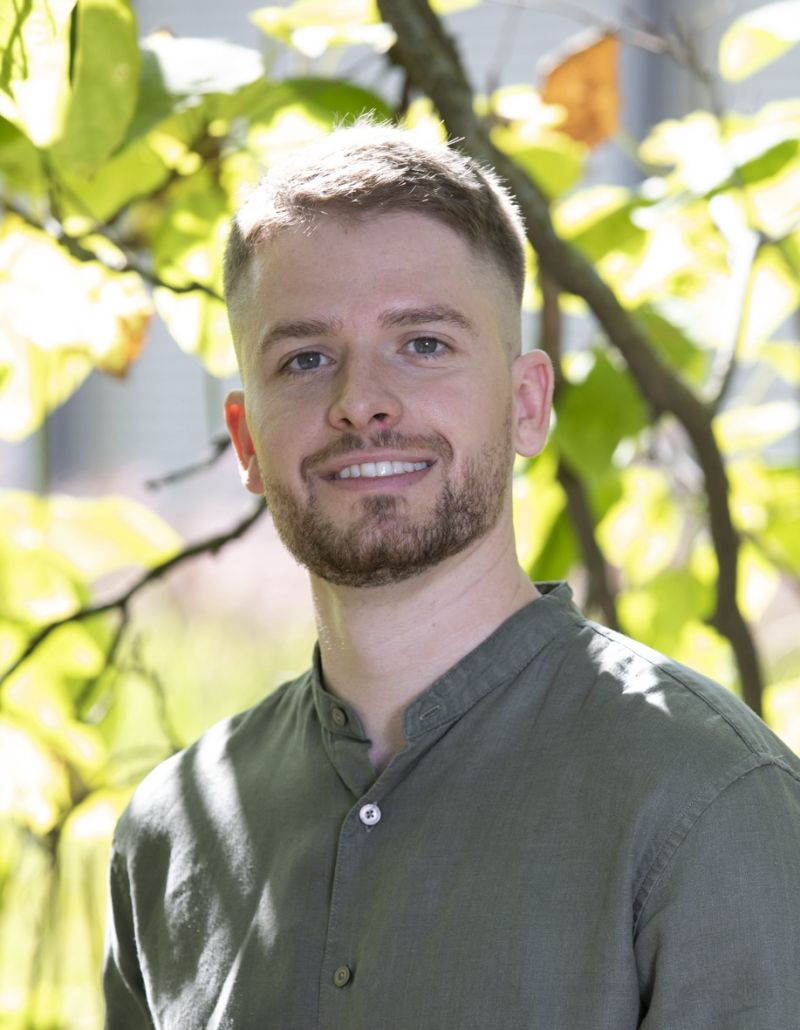
Clément MEIER is a senior researcher at the Faculté des Hautes Études Commerciales, University of Lausanne. With a PhD in the human and social sciences of medicine and health from the Faculty of Biology and Medicine and the Faculty of Social and Political Sciences at the University of Lausanne, his research focuses on health competencies related to end-of-life issues and their association with decision-making and care planning at the end of life.
Speaker
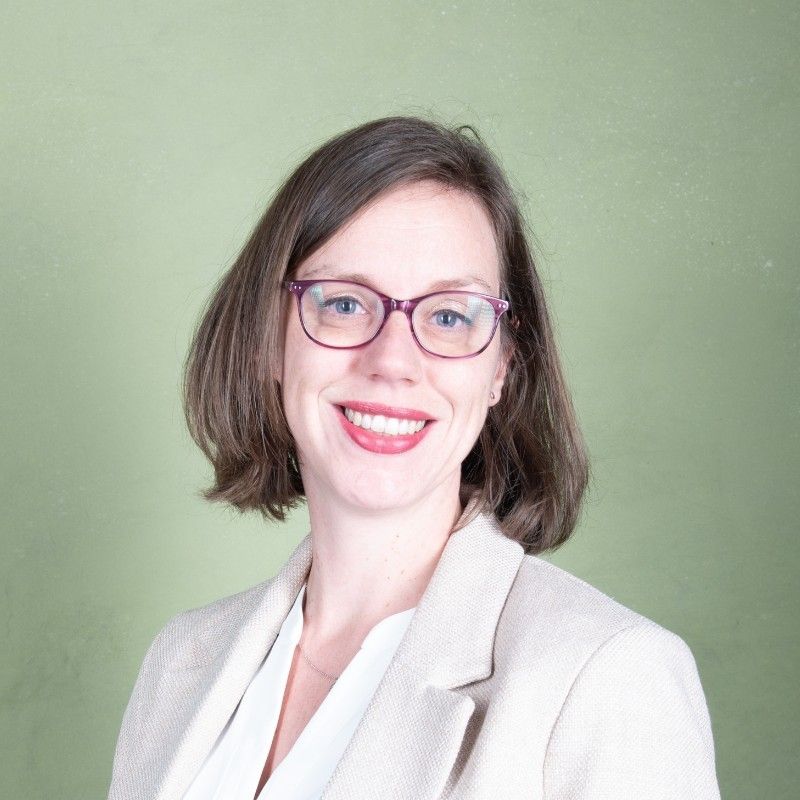
Nurse originally from Belgium, Mélisa LEFEBVRE specializes in palliative care in which and currently practices in the Grand Duchy of Luxembourg. She holds a Master's degree in Nursing as well as a university certificate in ethics in healthcare, deepening her reflection on the values and fundamental principles of her practice. Driven by a deep commitment to the well-being of patients, she has enriched her expertise by training in sophrology and medical hypnosis.
Between knowledge and reality: perspectives of people in socio-economic vulnerability on palliative and end-of-life care and planning
Anouk BÉRUBÉ
Faculty of Nursing, Université Laval
Context:Death literacy refers to a set of knowledge and skills that enable people to access and act on understanding of palliative and end-of-life care (PEOLC) options. Past studies show that literacy influences the ability to navigate the healthcare system, and may be predictive of hospice palliative and end-of-life care utilization and advance planning. People in situations of socio-economic vulnerability, who often have lower health literacy, face several barriers to accessing and planning for PEOLC.
Objectives: The objectives of this study were to explore the knowledge, attitudes and representations of Quebecers in situations of socioeconomic vulnerability regarding end-of-life care and its planning, and to explore with them their needs and avenues of solution for better end-of-life care literacy.
Methods: A secondary analysis of quantitative data collected from 966 individuals was carried out, as well as a thematic analysis of two semi-structured group interviews conducted with people receiving services from two community organizations.
Results: The results show that people in situations of socio-economic vulnerability hold little knowledge of end-of-life practices and the processes surrounding them, and would be more in favour of medical aid in dying and assisted suicide. Also, people in vulnerable situations consider that they urgently need accessible and popularized information so that they can better prepare for the end of life and carry out advance care planning.
Discussion: These results show the importance of implementing adapted interventions aimed at facilitating access to information on PEOLC and its planning for people in situations of socio-economic vulnerability, in particular by equipping healthcare and community professionals.
Speaker
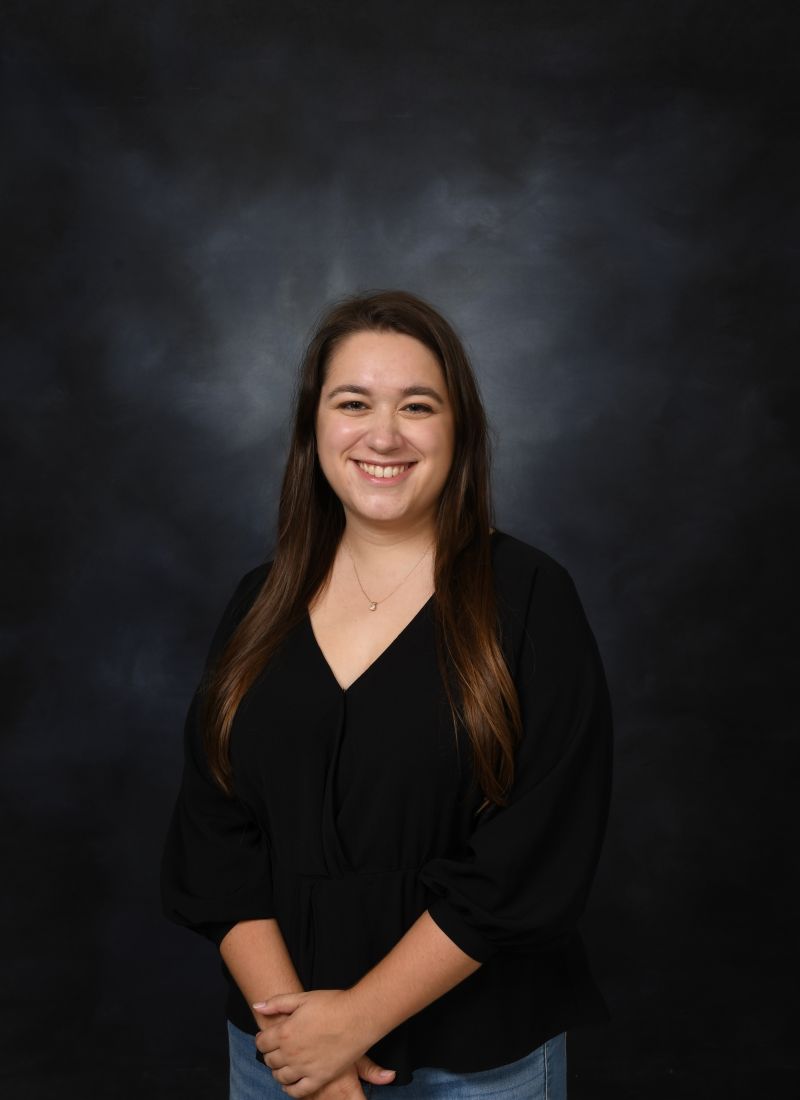
Anouk BÉRUBÉ holds bachelor's and master's degrees in nursing. Her master's thesis focused on the knowledge, attitudes, representations and needs of Quebecers in socioeconomic vulnerable situations regarding end-of-life care and planning. Passionate about health equity, environmental justice and adapting vulnerable populations to climate change issues, she currently works as a public health professional specializing in environmental health at the CISSS de Chaudière-Appalaches.