
The "magnifying glass" effect of the covid-19 crisis on end-of-life issues: research projects
Session 7
Study of confinement, end-of-life and death issues in EHPADs linked to the Covid-19 epidemic in France. Qualitative, multicenter, prospective study COVIDEPHAD

Elodie CRETIN, followed a background in philosophy of science and medical ethics, before creating and coordinating with Pr Régis Aubry the interdisciplinary "ethics and medical progress" research team at the Clinical Investigation Center (CIC - INSERM 1431), Besançon University Hospital. Her research has focused in particular on the situation of people in a chronic vegetative state, through analysis of the experiences of their relatives and healthcare professionals, and more broadly on ethical issues relating to the end of life, the elderly and vulnerable populations, through qualitative or mixed studies. Elodie CRETIN has been Director of the Plateforme nationale pour la recherche sur la fin de vie at Université Bourgogne Franche-Comté since 2018, and is an associate researcher at the Logiques de l'Agir laboratory (EA2274).
During this session, she will present the COVIDEHPAD study coordinated by the Plateforme nationale pour la recherche sur la fin de vie and supported by Besançon University Hospital. This national qualitative study is being carried out in 6 metropolitan regions by a group of some twenty researchers in the humanities and social sciences. She will present both the objectives and the methodological issues involved in carrying out collective research on this scale in a pandemic situation where the temporality of research and political temporalities come into tension.
Characterization of excess EHPAD mortality during the Sars-Cov2 epidemic: a cohort study in the RESIS-EHPAD and SNDS (COMONH) databases
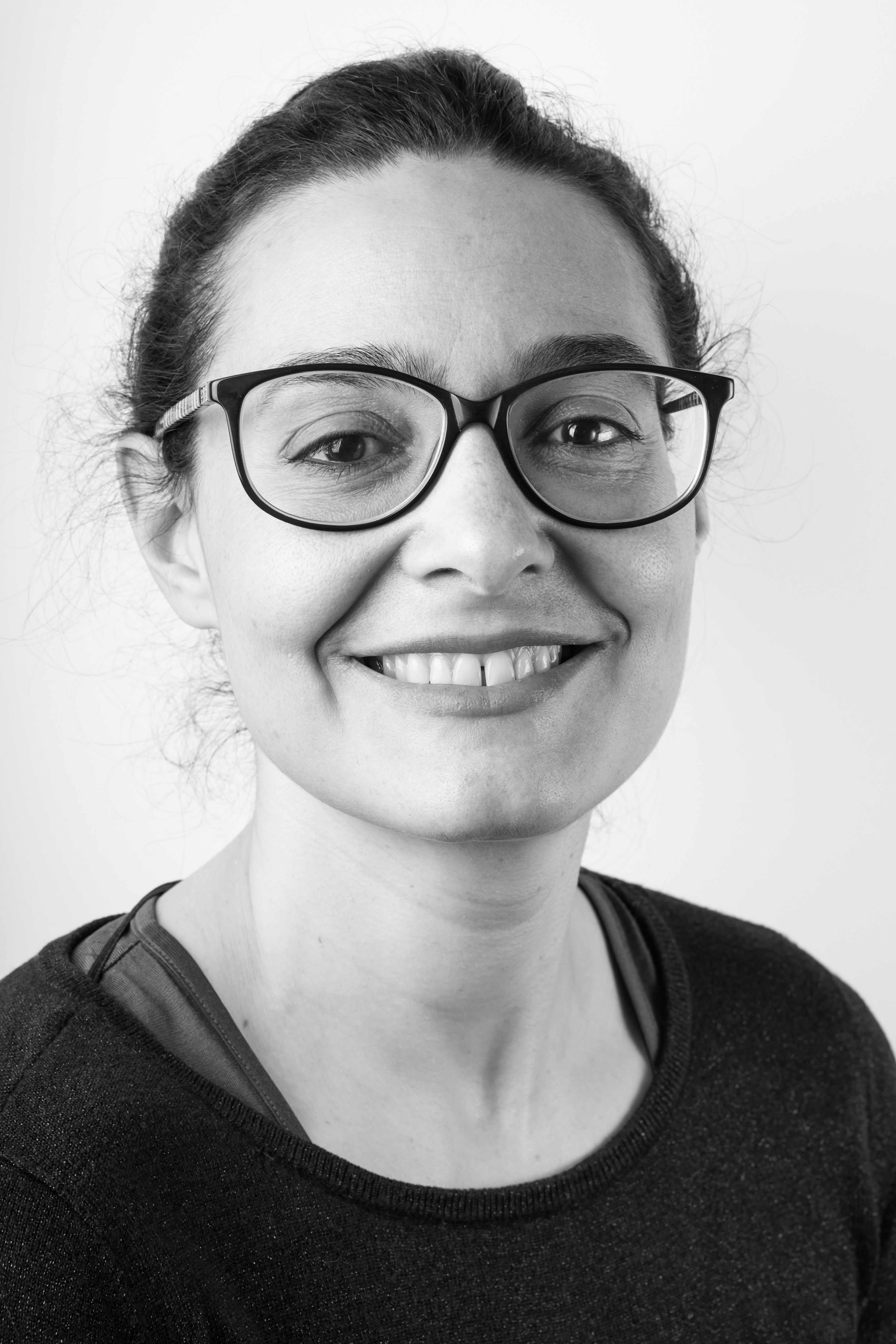
Florence CANOUI-POITRINE, is an epidemiologist at Henri Mondor University Hospitals (Assistance Publique - Hôpitaux de Paris), Professor of Public Health at Paris-Est Créteil University (UPEC) and Associate Director of the CEpiA (Clinical Epidemiology And Ageing) research team, Mondor Institute of Biomedical Research (U955 INSERM). Her research focuses on the clinical epidemiology of elderly subjects and public health issues associated with ageing.
She will present the COMONH (COvid19 MOrtality in Nursing Home) study, the objectives of which were to estimate the excess mortality, all causes combined, of EHPAD residents during the 1st wave of the Covid19 epidemic, by age class, sex and department, and to assess the existence of a harvest effect (short-term displacement of deaths) over the following months. This study was carried out using data from RESID-EHPAD, a database managed by Assurance Maladie.
EHPAD residents' right to personal relations in the context of Covid-19
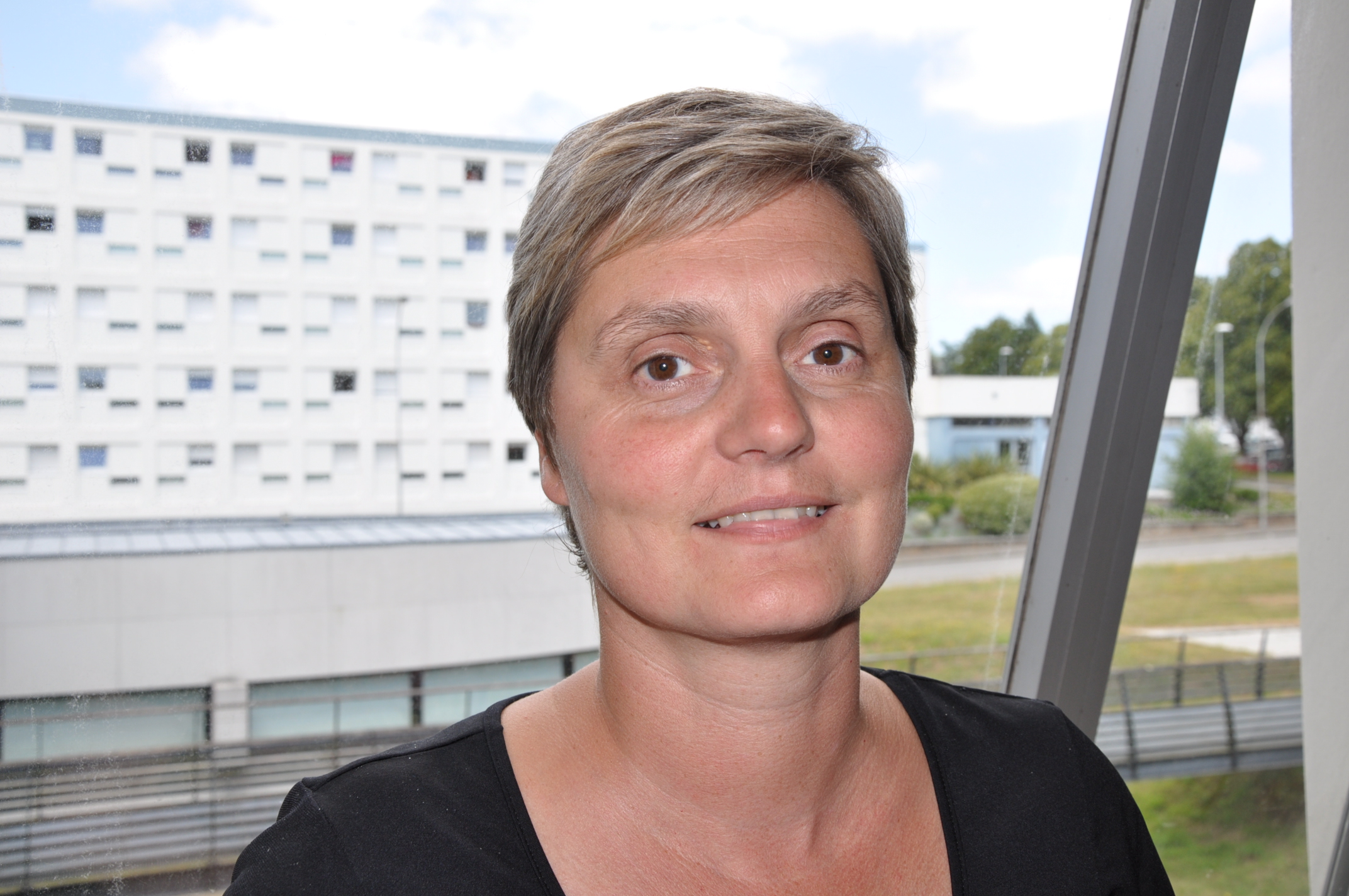
Muriel REBOURG, is a professor of private law at the Université de Bretagne Occidentale (Brest) and a researcher at the Laboratoire de recherche en droit (Lab-LEX - UBO / UBS - UR 7480). Her research focuses on personal and family law, and more specifically on family solidarity and the legal and social protection of vulnerable adults, including the issue of ageing in law. She coordinated an ANR-funded research project entitled "Parcours de vulnérabilité au grand âge: l'usager, le malade, le majeur protégé". Her current research focuses on the tensions between autonomy and protection, and respect for the individual freedoms and fundamental rights of vulnerable adults.
The recent and lengthy suspension of visits to residential facilities for dependent elderly people (EHPAD) linked to the epidemic context calls into question the foundations of residents' right to personal relations and the conditions for its implementation. Respecting the privacy of residents and their families raises legal and ethical issues. Although the exceptional context of covid-19 justified its limitation, the right to personal relations for people living in institutions is a fundamental freedom. Its effective protection in an epidemic context raises a number of legal and ethical difficulties linked to respect for the private lives of residents and their loved ones.
Covid-19 mortality: do international comparisons make sense?
France MESLÉ, physician and demographer, is director of research emeritus at the Institut national d'études démographiques (INED) and a member of the Mortalité, santé, épidémiologie research unit. Her work focuses on mortality and causes of death throughout the world. She is particularly interested in the analysis of long-term mortality trends, based on the reconstitution of series of deaths by cause with a constant medical definition. She is also interested in mortality at very old ages: shape of the mortality curve, causes of death.
Since the emergence of the Covid-19 epidemic, France MESLÉ has collaborated in the production of the site put online by Ined on "The demography of Covid-19 deaths". This bilingual (French/English) site aims to provide international data on Covid-19-related deaths broken down by sex and age group, accompanied by precise documentation to avoid interpretation bias, which may be due to data collection and case identification systems that vary widely from one country to another.
Download the full seminar program
Registration is now closed, but you can find all the presentations on our website and Youtube channel.
En ligne