
Secularity and Religious Rituals at the End of Life in Japan
What are Japan's traditional conceptions of death and religion? How have they evolved? As a result, how has the way Japanese people die changed? The recurring theme of this conference is how to guide the soul of the dying and properly treat their remains. Professor Kasai will illustrate this reflection through the example of Buddhism.
He will talk about changes in religious and end-of-life rituals in Japan, through three aspects:
- Secularity and secularization in Japan,
in comparison with secularism in France. Indeed, the Japanese maintain close ties with Buddhist temples for the management of funerals and burials. Many pay annual fees to temples for burial plots. Yet secularization is changing practices, and many people are losing their reference system when it comes to end-of-life rituals.
- The evolution of healthcare in Japan
The transition from end-of-life in hospital, to end-of-life at home, thanks to home clinic services, will be discussed. Patients and family members have to make many decisions (in advance care planning) that are disconnected from traditional religious references. Yet some hospitals or clinics call on volunteers to help with decision-making.
- Changes in funerals
Professor KASAI will illustrate this topic from his own experience. Today, some Japanese people are questioning the meaning of subscribing to a funeral plot. It's possible to switch from subscription to a permanent prayer contract. However, temples and minis are encountering economic difficulties by losing contracts on these graves.
Speaker:
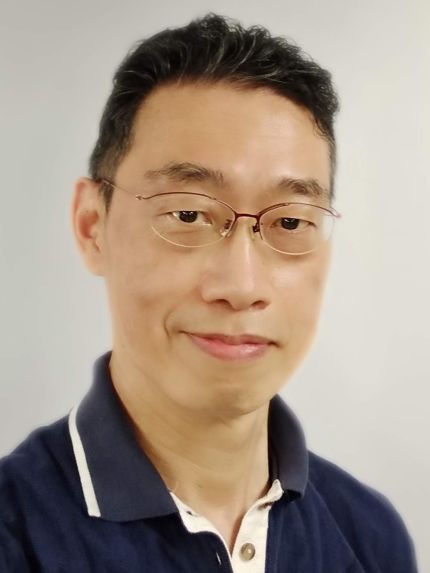
Kenta KASAI
Ph.D., Professor, the Graduate School for Applied Religious Studies, Sophia University;
Senior Fellow at the Institute of Grief Care, Sophia University
This webinar will be delivered in English.
En ligne