

International Francophone Scientific Day 2024
Home-based palliative and end-of-life care: findings, challenges and prospects
The aging of the population and the increasing prevalence of accompanying comorbidities have led to the consideration of offering palliative and end-of-life care (PEOLC) at home as a promising avenue, particularly when it corresponds to the person's wishes. A growing willingness to offer hospice palliative and end-of-life care at home is increasingly present in many countries, but problems of access, equity and quality persist. In Quebec, 80% of people wish to end their lives at home, but only 12% die there. In France, 80% of people prefer to live out their final days at home, yet only 24% actually die there.
While receiving care at home can be very comforting for people with a limited life expectancy, it also creates an extra burden of responsibility for family caregivers. Sometimes, precarious medical conditions, the availability of loved ones, but also that of health and social services professionals∙les, do not allow support and maintenance at home. However, a great deal of research has been developed in recent years to better understand the current situation and enable people to live the last stage of their lives at home.
The work of several researchers∙ses from different backgrounds will address the issue of SPFV at home. Portraits, findings and avenues for improvement and innovation will be presented. This day will be an opportunity to lay a foundation for further work to better understand and support the improvement of home care for people with PEOLC.

PALLIDOM - Emergency palliative care at home
Jean DANIS
Sorbonne Université - Campus Marie et Pierre Curie, Hospitalisation à domicile (HAD), Assistance publique - Hôpitaux de Paris (AP-HP)
Some people in a palliative situation at home require urgent intervention when their condition worsens, but do not want hospitalization. Yet the majority will be hospitalized despite their wishes. This was the aim behind the creation of PALLIDOM, a medical team operating 24 hours a day, 7 days a week, to respond to these situations of clinical instability in people whose wish is to remain in their place of residence (even if they are not previously integrated into a home palliative care network). A descriptive study was carried out in the Île de France region from September 2021 to April 2023. The results show that ambulatory palliative emergency intervention is feasible and meets a need. Continuous medical regulation enables consultation, then mobilization of a team for urgent care and follow-up. In this way, PALLIDOM can avoid hospitalization and provide support in the living environment of the person in palliative situation when this is their choice.
Dying at home? Desires and possibilities of the elderly in Quebec
Isabelle VAN PEVENAGE
Department of Sociology, Université de Montréal
It is generally believed that a large majority of people would like to be able to die at home, but this is far from always possible. In Quebec, between 2013 and 2018, only 10% of people likely to have benefited from palliative and end-of-life care died at home. This paper presents the results of a survey conducted in July 2021 among a sample of 1,000 people aged 65 and over to find out whether Quebecers really do want to die at home, and whether they think it will be possible. The results qualify the popular belief that "everyone wants to die at home". On the other hand, a sizeable proportion of those who wish to die at home are unsure whether their wish will be respected. There are also gender differences. Interviews with seniors, their families and caregivers will be conducted to complete this research. The results will support caregivers in accompanying elderly people who express a wish to die at home.
Speaker
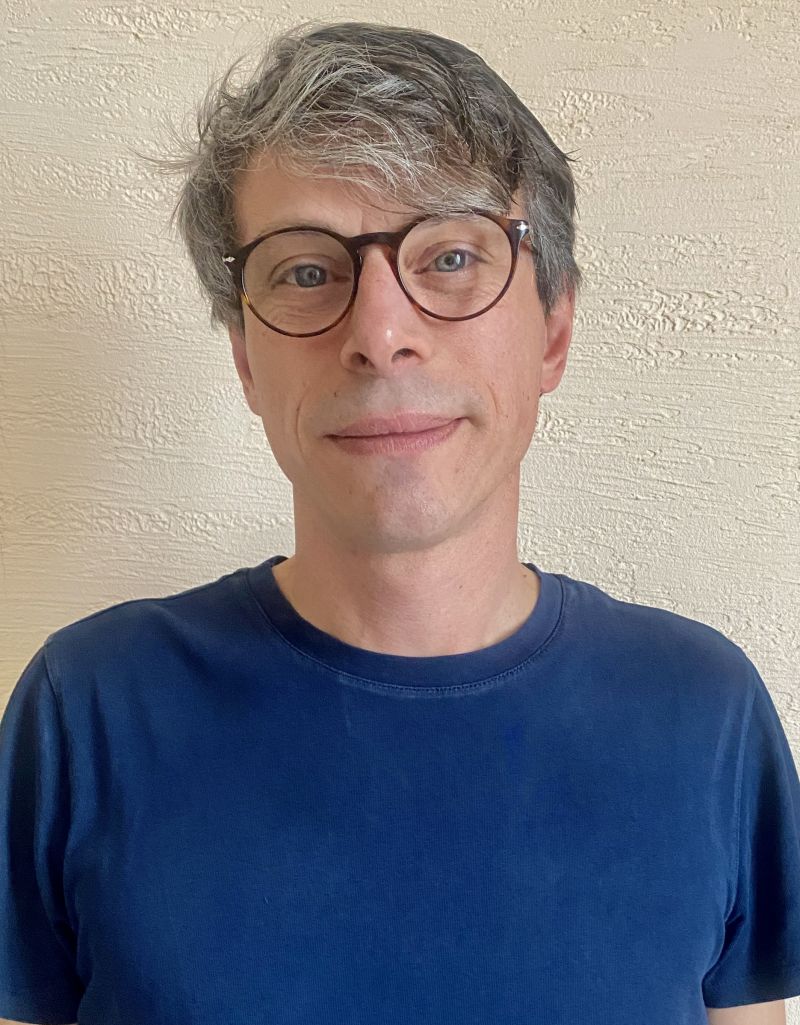
After an internship in nephrology in Paris, Jean DANIS began a practice in medical intensive care, eventually leaving it to find his calling at the Curie Institute in Paris (Centre de Lutte Contre le Cancer) in the supportive and palliative care department, where he held positions in a mobile team, for consultations as well as a regular day hospital post. Jean Danis then joined a palliative care unit at the Hôpital des Diaconesses in Paris, where the idea for Pallidom was born. It was with Dr. Clément Leclaire that he opened the Pallidom unit within the Hospitalisation à domicile de l'Assistance Publique des Hôpitaux de Paris.
Speaker
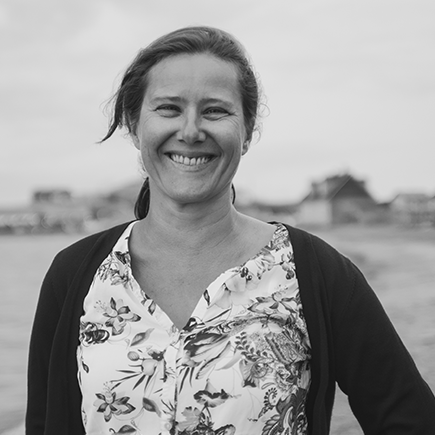
Institutional researcher at the Centre de recherche et d'expertise en gérontologie sociale (le CREGÉS) of CIUSSS Centre-Ouest-de-l'Île-de-Montréal and associate professor in the Department of Sociology at the Université de Montréal,Isabelle VAN PEVENAGE is particularly interested in the end-of-life of the elderly, as well as in informal caregiving and bereavement. Particularly keen to transfer the results of her research into practical applications (interactive workshops for relatives accompanying a seriously ill person, mapping of factors influencing bereavement, ...), she is currently leading a research project that ultimately aims to create a tool to help shared decision-making on the choice of home as the place of death.
Pediatric hospitalization at home in the service of palliative and end-of-life care at home for children: a sociological study of the French case
Sarra MOUGEL
Université Paris Cité, CERLIS laboratory
Children's palliative and end-of-life care at home arouses intense mobilization on the part of all players, professionals, parents and family entourage. The research team hypothesize that the difficulties encountered during care are heightened in the geriatric context, insofar as fewer resources are allocated to it, compared with the pediatric context (in France, pediatrics is a bridgehead in the humanization of care).
The researchers carried out an ethnographic survey using extended observation, over a period of more than two years, two days a week, in a pediatric home hospitalization unit (HAD) in the Île de France region. The results show that the teams' home visits have a special status in their professional activity. The difficulties encountered by HAD teams, despite the additional resources allocated to palliative care, should not cause us to lose sight of those of parents, and their intersecting difficulties in verbalizing the end of life between adults and to the child.
Parameters of nursing practice for health in palliative home care
Jérôme LECLERC - LOISELLE
School of Nursing, Université de Sherbrooke
Home palliative care nursing practice is criticized when it is circumscribed to biomedical parameters, such as the management of end-of-life pain and symptoms, at odds with the actual wishes of those cared for. Amartya Sen's concept of freedom and a systemic conception were combined to produce a theoretical elaboration of nursing practice for health, on the one hand, and to guide the co-construction of four narratives of practice by nurses working in palliative home care, on the other. An analytical questioning method completes the theorization. Four parameters shape nursing practice for health in palliative home care: 1) navigation between norms and representations of valued life; 2) the conception of the Other as both capable and vulnerable; 3) reflexivity about oneself, and one's power as a caregiver; 4) presence through creative action that is both slow and sensitive. This theorization expresses a praxis that calls for solidarity and creativity on the part of nurses.
Speaker
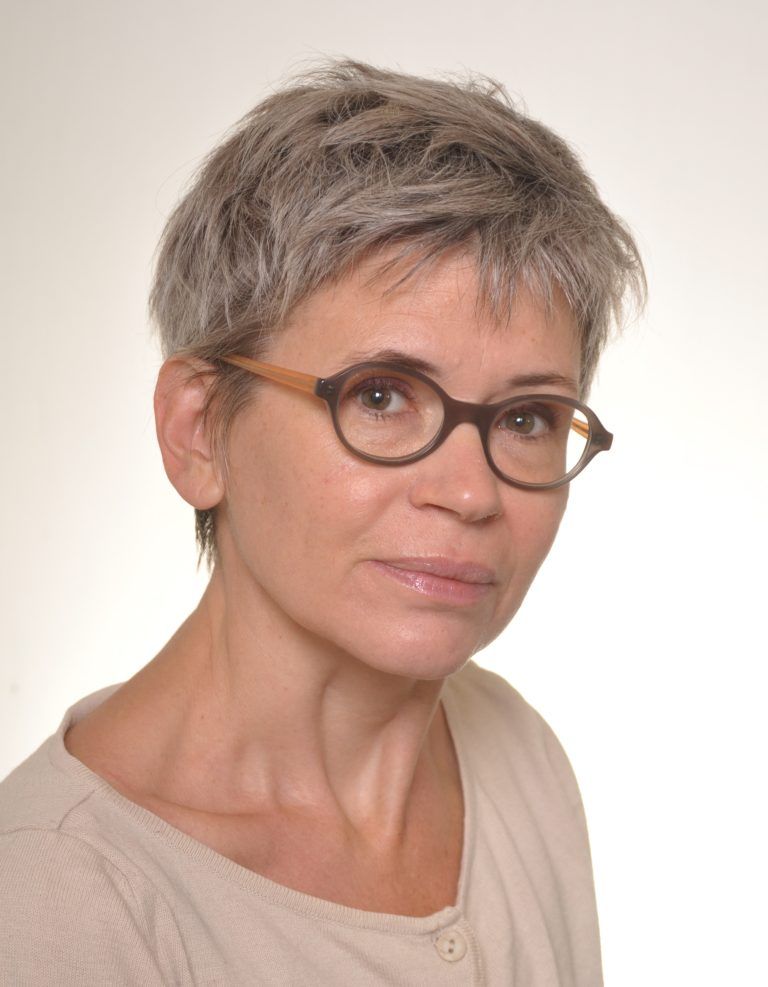
Sarra MOUGEL is a lecturer in Educational Sciences at Université Paris Cité, attached to the Centre de recherche sur les liens sociaux (CERLIS, CNRS & UPC). Combining the sociology of health, childhood and the family, her work over the past twenty-five years has focused on the hospitalized child, the history and organization of pediatric services, and the way in which different forms of illness (somatic, psychic, chronic, etc.) lead to specific configurations of the child/professional/parent relationship. Extending the tradition of hospital ethnography, she adopts an approach of direct observation of the interactions between these three players. She is particularly interested in the way in which healthcare professionals are involved in the supervision of parenthood, notably through explicit and informal therapeutic education procedures. Her latest investigation into pediatric hospitalization at home has led her to explore pediatric palliative care, which makes up a significant part of this sector of activity and puts into tension the desire to make the child an actor in his or her care.

Speaker
Jérôme LECLERC-LOISELLE is assistant professor of palliative and end-of-life care at the School of Nursing, Faculty of Medicine and Health Sciences, Université de Sherbrooke. He completed his doctorate at the Université de Montréal's Faculty of Nursing in June 2023. His research and teaching interests focus on the implementation of an integrated palliative approach in homecare nursing practice. From a health promotion perspective, he is interested in the ways in which nurses engage with the life that those being cared for value, despite a guarded vital prognosis. At the same time, he sits as a director on the board of the Association pour la recherche qualitative.
Role and experiences of dispensing pharmacists in end-of-life care at home in France
Isabelle CUCHET
Université Clermont-Auvergne (UCA), Laboratory of Social and Cognitive Psychology (LAPSCO)
The World Health Organization (WHO) identifies pharmacists as key resources in palliative care. However, the precise roles of these professionals in end-of-life care at home remain poorly understood. The aim of this study is to understand how pharmacists see their role in end-of-life care at home in France, and to analyze their experiences of this care. An online questionnaire was distributed between December 2022 and March 2023 to dispensing pharmacists practicing in urban, rural and commercial areas of France. The survey focused on participants' subjective
perceptions While therapeutic education, treatment safety and adherence support are among the official missions of pharmacists in France, psychosocial support for patients' loved ones is not identified as such. Yet it is an essential element of palliative and end-of-life care. Recognition of the support work in which dispensing pharmacists seem to invest themselves on a massive scale could help improve care for these individuals.
Speaker
Isabelle CUCHET is a clinical psychologist at a residential facility for dependent elderly people (EHPAD) in Le Puy-en-Velay (Auvergne Rhône Alpes region). She is also a doctoral student in psychology at the Laboratoire de Psychologie Sociale et Cognitive (LAPSCO), CNRS, UMR 6024, and the AutomédiCation aCcompagnement Pluriprofessionnel Patient (ACCePPT) laboratory at the Université Clermont Auvergne, co-directed by Michael Dambrun (LAPSCO) and Axelle Van Lander (ACCePPT). Her research theme concerns end-of-life accompaniment or palliative care, and she is particularly interested in stressors and sources of resilience in end-of-life care professionals.