

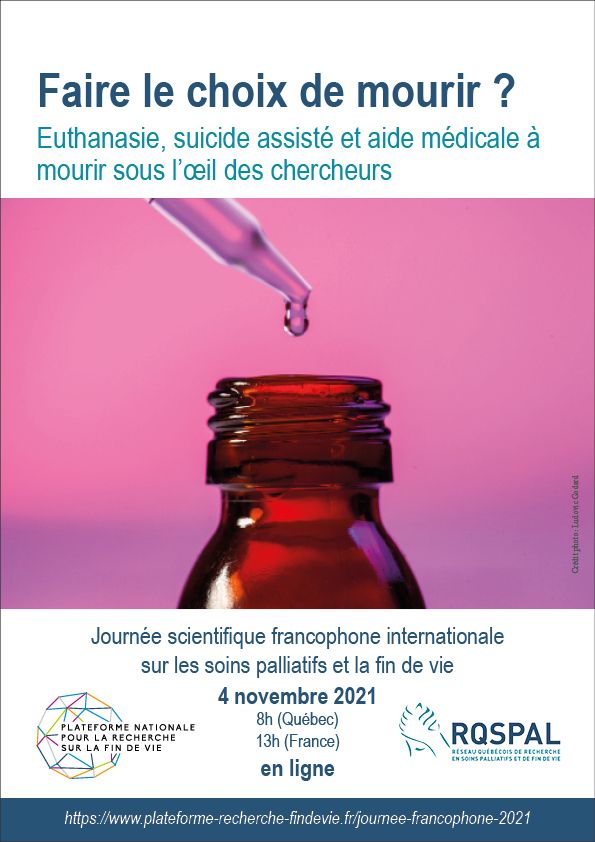
2021 International Francophone Scientific Day
Making the choice to die?
Euthanasia, assisted suicide and medical aid in dying under the eye of researchers
Societies evolve and change their practice when it comes to euthanasia. While some countries legalized euthanasia several years ago, others are consulting their populations to determine whether the practice is socially acceptable.
In Quebec, a debate conducted from 2012 to 2015 led to the development of the Palliative Care Act, which framed and legalized euthanasia under the term medical aid in dying (MAID). Since then, the number of AMMs administered has been increasing year on year, and new legislative rulings point to a potential broadening of the law with the removal of the "presumed imminent death" criterion or even the opening up to other pathologies such as mental health disorders.
On the other side of the Atlantic, in France, the debate is animating political spheres and consultations are underway.
What can we learn from the experience of five years of legalization in Quebec? Have grieving processes changed? How does this new "care" impact healthcare professionals? This new field of study is fascinating, and many researchers are questioning the issue.
The aims of this study day are to:
- share Quebec's experience in legalizing medical aid in dying (MAID),
- describe and understand practices in connection with euthanasia, assisted suicide and MA,
- present new advances in research on these issues,
- identify challenges to knowledge integration in care settings and explore opportunities to overcome them,
- determine future research directions on the topic of palliative and end-of-life care as it relates to euthanasia, assisted suicide and MA.
Studying medical aid in dying in the context of end-of-life care: findings from research conducted in Quebec between 2002 and the present.
This scientific day will be an opportunity to present reflections from three research projects and a systematic literature review. A study carried out among the Quebec population in 2002 highlighted the significant confusion between euthanasia and other end-of-life practices (such as withholding and withdrawing life-prolonging treatment, physician-assisted suicide and morphine pain relief) and the influence of this confusion in public opinion surveys. Another 2012 study of doctors and nurses on their understanding of the professional implications of a possible change in laws to allow physician-assisted dying in Quebec also demonstrated the need for better information with a view to a more informed debate. A systematic review of the influence of public policies on end-of-life practices, taking into account their evolution in countries where euthanasia and/or physician-assisted suicide were or were not regulated, revealed trends towards more frequent use of pain relief practices in the last days of life, including the use of palliative sedation. Finally, a study of a representative sample of Canadian physicians, following the example of major surveys carried out in other European countries including the Netherlands, Belgium, Great Britain and France, documented the type of decisions and how they are made prior to a patient's death, concomitant with the change in laws to allow physician-assisted dying in Quebec and at federal level.
Speaker
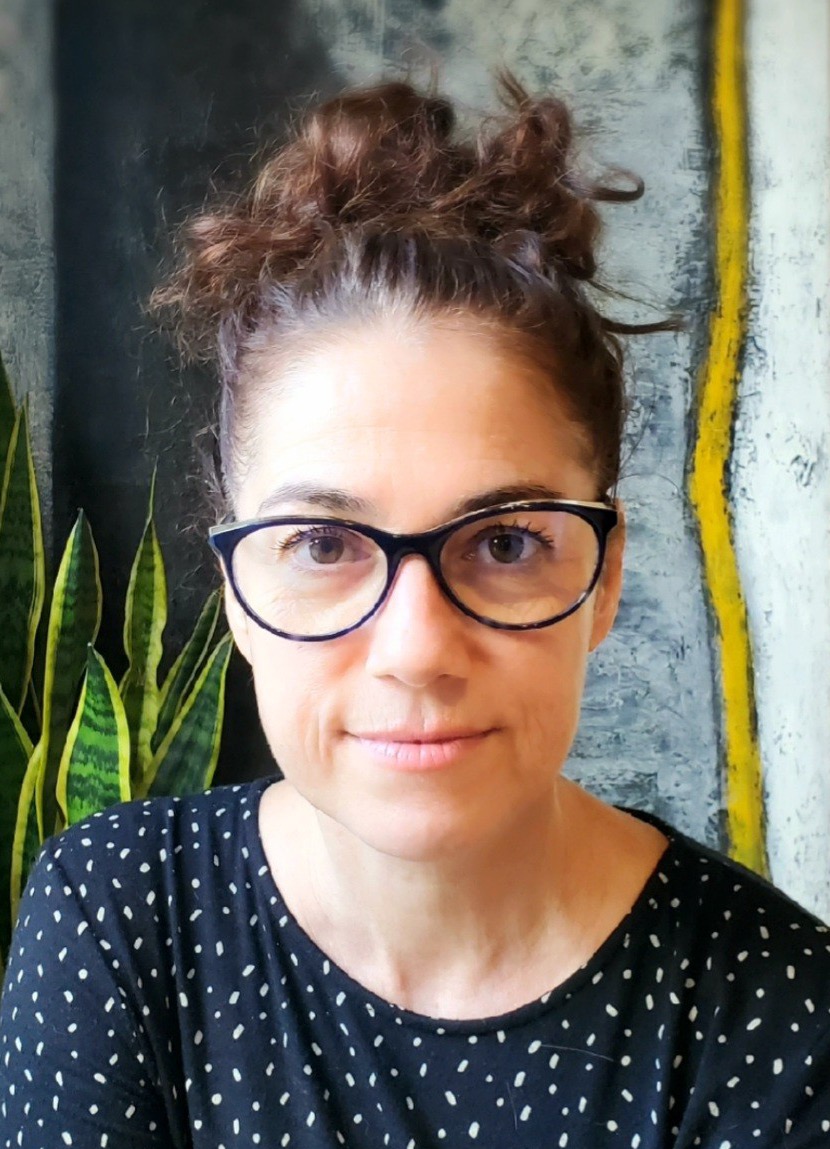
Isabelle MARCOUX, PhD in community psychology, is an associate professor at the University of Ottawa's Interdisciplinary School of Health Sciences. Her current research program focuses on issues associated with medical practices at the end of life, the associated decision-making process, and access to care, particularly in the context of palliative care and medical aid in dying.
Assisted dying requests and end of life: presentation of the DESA study
In France, the issue of euthanasia and assisted suicide at the end of life has been the subject of recent ethical debates involving the political, medical and legal spheres. These debates have given rise to several expert reports and the law of February 2, 2016 creating new rights for patients at the end of life. But whatever these changes at the interface of medicine and law, the end-of-life period remains a source of suffering. Some patients express a wish to die, ranging from a wish not to live as they do, and not to prolong their lives, to a desire to accelerate the onset of their death, possibly by asking for help from a third party. Although the act of giving death to others is forbidden by French law, the legal prohibition is not a prohibition of speech, and sometimes the request for assistance in dying is explicitly formulated by patients at the end of their lives. In a context where the act is forbidden, how do patients express these requests? What words are used? What is the meaning of these requests? How do these requests evolve over time? Are they influenced by caregivers and loved ones? How do healthcare professionals and relatives receive and interpret these requests? A qualitative survey conducted in palliative care units analyzed in depth situations of patients expressing an explicit request for euthanasia or assisted suicide.
Speakers
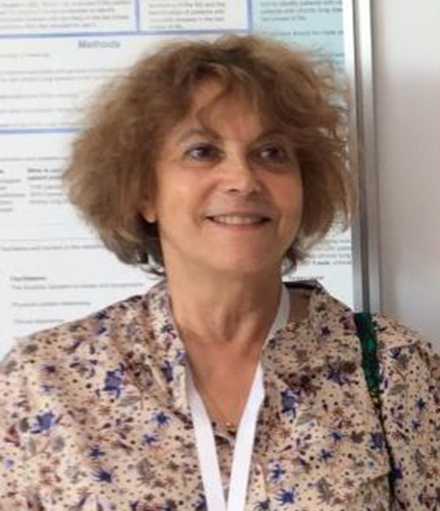

Danièle LEBOUL, psychologist and researcher, Maison Médicale Jeanne Garnier, Paris
and Frédéric GUIRIMAND, physician, associate professor of palliative medicine, Pôle recherche Soins Palliatifs en Société, Maison Médicale Jeanne Garnier, Paris
Extending medical aid in dying to people living with major neurocognitive disorder: Canadian perspectives and concerns
Canada is considering extending medical aid in dying (MAID) to people who would no longer be able to consent to it at the time of the act. This extension is particularly aimed at people in the advanced stages of a major neurocognitive disorder (M-NCD) who would have requested MA in advance. In her presentation, Gina BRAVO will summarize the position of various Canadian groups on this sensitive issue, and the concerns they have expressed. The data, both quantitative and qualitative, comes from a large-scale research program begun in September 2016, which contacted seniors with and without M-NCD, caregivers of people with the condition, and healthcare professionals (doctors, nurses, social workers). Participants gave their views on extending the MA, considering other end-of-life options, including continuous palliative sedation and not administering antibiotics to treat a life-threatening infection. In addition to guiding ongoing reflection in Canada, these results may feed into that of other countries considering making WMA accessible to their citizens in certain circumstances.
Speaker
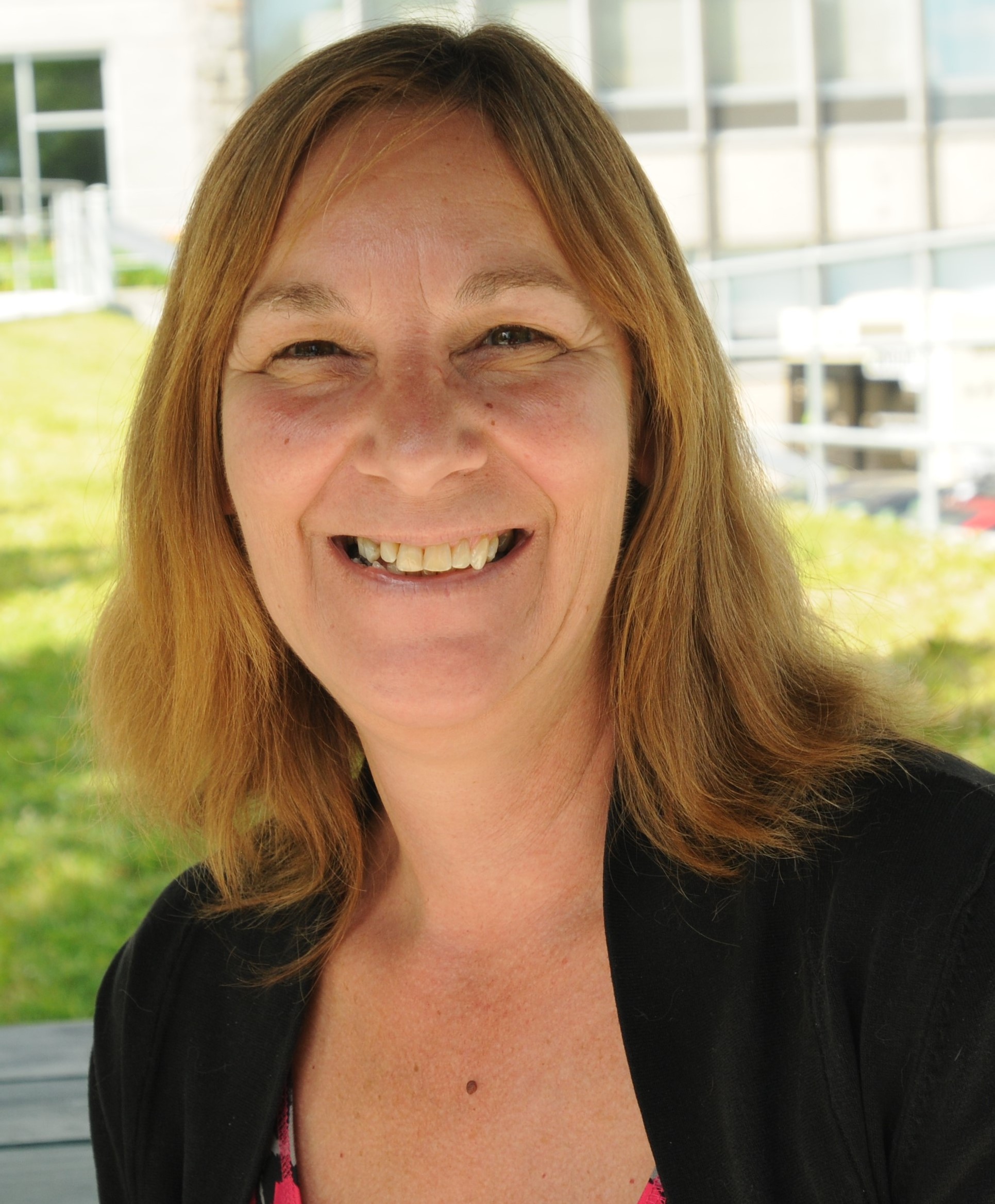
Gina BRAVO, PhD, is a full professor in the Department of Community Health Sciences at the Université de Sherbrooke, a researcher at the CIUSSS de l'Estrie - CHUS Research Centre on Aging and a regular member of RQSPAL. Her work focuses on the quality of care provided to the elderly, particularly at the end of life, and on the expression of wishes in anticipation of incapacity. She has just completed a vast study on the extension of medical aid in dying to people unable to consent at the time of the act.
Assisted suicide in Switzerland: the twists and turns of grief
This presentation will address three distinct forms given to grief after assisted suicide: a legal form, a political form, and an ethical form. Legal first of all, since relatives who participated in assisted suicide may have felt guilty after the death or been summoned by the courts to testify to it. Others, on the other hand, may have felt morally challenged or even affected by the use of assisted suicide within a given community, and may in turn have taken legal action. Politically, because some relatives - especially those who have had to travel from jurisdictions where assisted suicide is not a legal practice - have sought, for various reasons, to influence the social dynamics of assisted suicide in their own countries, notably through political or associative involvement. In the final analysis, it's an ethical issue, because after death, many people ask themselves questions. Having taken part in the event, and given the terms and conditions of participation (or non-participation), was the latter appropriate and determined for the "right" reason? Generally speaking, this question underpins the legal and political expression of the games of accusation and investment highlighted. It goes some way to explaining the voluminous bioethical literature produced on the subject, for a phenomenon that remains limited. The researchers, for their part, are at pains to emphasize that they have not positioned themselves solely as observers, whatever that may mean. They too have been confronted with the question of whether or not they have made the "right choices" and acted for the "right reasons" in observing the protagonists of assisted suicide.
Speaker
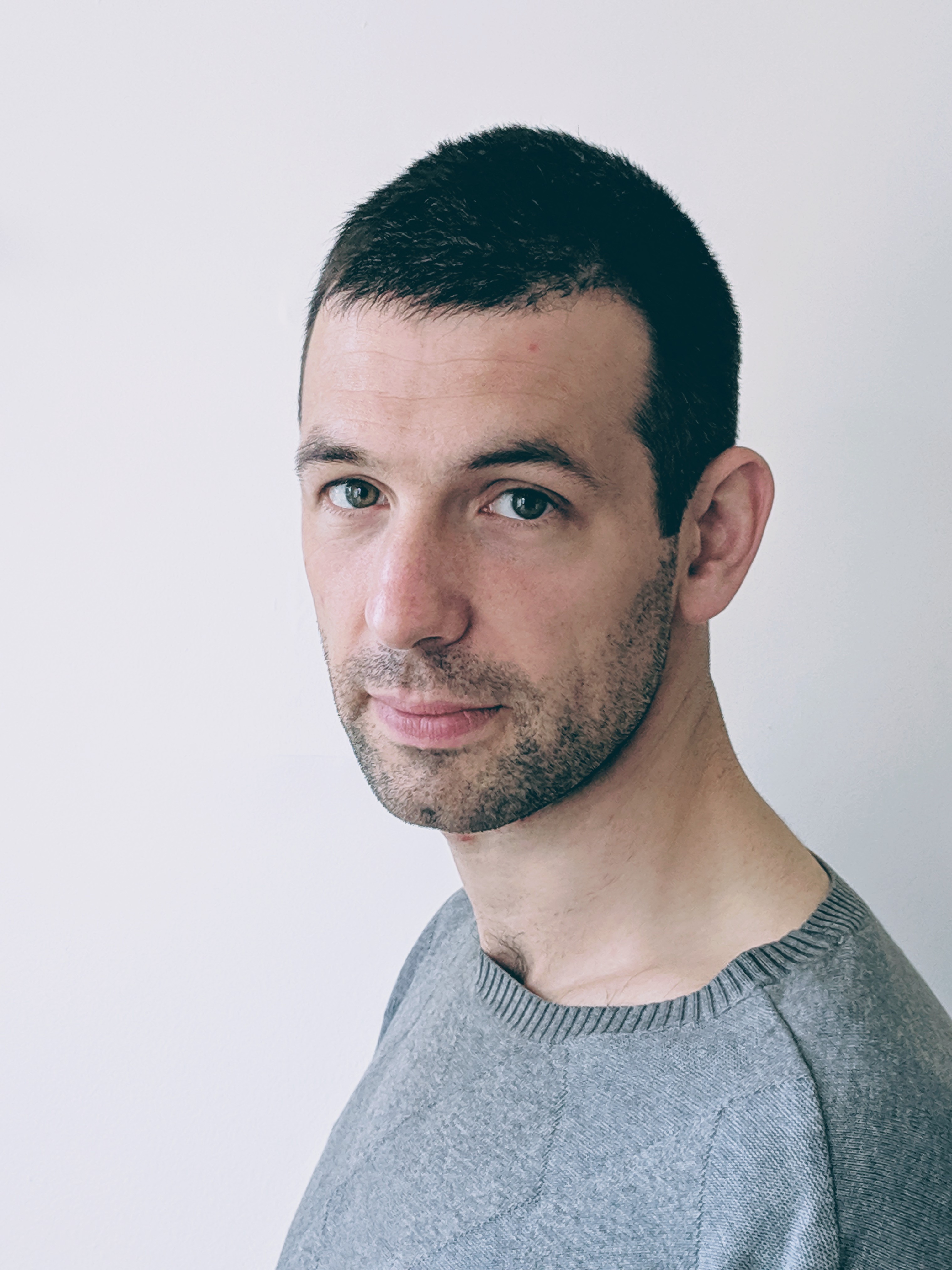
Anthony STAVRIANAKIS is a CNRS research fellow in anthropology and a member of the Laboratoire d'ethnologie et de sociologie comparative (LESC) UMR 7186, CNRS, Université Paris Nanterre. His research focuses on ethical judgments in the fields of science and medicine.