

How can we conduct interdisciplinary research on the end of life?
They work in Belgium, Spain, Switzerland, the UK and Canada. All are engaged in interdisciplinary research related to end-of-life and palliative care. We asked them about their experience of this collaborative work, the difficulties they have encountered and the benefits they have gained. Part two of our interview.
What difficulties have you encountered in conducting interdisciplinary projects?
- Alexandre Pillonel : Depending on the disciplinary roots of each member of the research team it wasn't always easy to agree on methodology and how to report results. We had lengthy discussions on this subject.
- Luc Deliens: The partitions between faculties are unfortunately a barrier to palliative care research. I've also experienced difficulties linked to the "hierarchy" between disciplines, on the part of certain doctors in particular. If the various specialties are not recognized as equivalent in the research process, we'll never succeed in setting up interdisciplinary research. Everyone has to accept the expertise of others. Representatives of certain disciplines must not be "afraid" or "self-censor" during meetings. In this sense, the leadership of the person organizing the meetings is crucial.
-Diane Guay: Interdisciplinarity represented a major cultural shift for the milieu under study. The inclusion of more "change-averse" members was initially seen as a way of broadening perspectives, but caused significant delays, required frequent reframing and slowed the project down. There were also times when the team became demotivated because things weren't moving fast enough.
-Sabah Boufkhed : The big challenge was time. Interdisciplinary work is very time-consuming, requiring a lot of meetings. We had a clinician who was very interested in symptoms, and a psychologist with precise definitions for terms that other team members used in their everyday sense... It took us a long time to understand each other and align our vocabularies. As I was the interface and coordinator between the different people in the group, it took a lot of effort not to impose my own way of operating on the others (in the coding of qualitative data, for example).
-Rafael Montoya: One of the problems we encountered concerned research quality standards. These can differ from one discipline to another. Nurses and psychologists don't have the same imperatives in terms of publication, and it's sometimes difficult to reconcile the needs of different team members in terms of promoting research.
How did you go about making an interdisciplinary group work?
-DG : In my project, a steering committee bringing together people from different disciplines was formed, and these people actively participated in all three phases of the study. In keeping with the collaborative protocol chosen, the project was initially presented in a "preliminary" form: it was structured, but did not impose predefined stages or rigid structures. The key principles of action research (democracy, participation and ownership) were also discussed and endorsed by all members.
-AP: We had a lot of discussions, at the outset, about ethics and how to proceed. The question of authorizations, for example, was the subject of debate, as in some disciplines we're content with a simple oral consent at the start of the interview, whereas in others it's customary to have people sign documents. There was also a great deal of discussion about how to present monographs, and in particular about the use of "you" and "I". And of course we discussed the theoretical framework of the various disciplines. At the very least, we had to define a terrain from which everyone could agree.
-SB: We had taken the somewhat crazy gamble of coding the interviews from different disciplines. There was a practitioner and doctor in psychology, a clinician and a clinician in palliative care, an epidemiologist, all researchers but with different methods. The collaborative analysis was a major methodological challenge. We didn't all have the same representations or conceptual frameworks. The challenge of interdisciplinarity lies very much in the way we communicate and the vocabulary we use. You have to take the time to define things together. We proceeded in several stages. First, we each analyzed our interviews, creating our own codes and themes. Then I collected everything, and as I'm used to this kind of interdisciplinary work, I put together everything that could be pooled. Everything else, anything that wasn't obvious, was discussed and negotiated in meetings.
-LD: As part of a research project on euthanasia, to remove taboos and manage to work objectively we first asked everyone to give their personal opinion on the issue. Everyone had different opinions, and exposing them at the outset neutralized this bias in the research. It was also very interesting because, in the end, those who initially had very strong opinions were much more nuanced at the end of the study.
In your experience, what are the things that worked?
-LD: As doctors are generally willing to take part in a study, but not all ready to invest a large part of their time, we were very clear with them from the start of the project about the expected availability. We spelled out commitments in detail, for example by asking concrete questions: "Will you be available for meetings every Monday?" If they can't be present, they can participate in the research, for example by including patients, but without being part of the interdisciplinary group which requires more availability.
-DG : We first defined the problem, identified needs and gathered solutions according to team members. Following a feasibility and acceptability analysis, the intervention components were collectively chosen, considering both local constraints and levers. The implementation protocol was then co-written with the members of the steering committee (co-researchers). The gradual withdrawal of the researcher enabled the team to take ownership of the change process and its results. In the end, the co-construction process enabled the creation of a new alliance between managers and caregivers.
-SB: We had (what had to be) short but frequent meetings to check that we were on the same wavelength and question concepts. It was important to get everyone on the same page. I soon realized that we weren't all speaking the same "language", and I started asking basic questions just to set the record straight: this forces the person speaking to redefine and clarify for others what they're talking about, and opens up the possibility of discussion for others.
In your opinion, what could be done to develop interdisciplinarity in research?
-LD: There should be more exchanges between teams to share best practices and identify what works and what doesn't. In symposia, the difficulties encountered during research are never presented. Yet it would be a good thing to be able to present our failures too. The system should be informed of its weaknesses, so that it can move forward more effectively.
-RM : Interdisciplinary training should definitely be promoted. At my university, we have an interdisciplinary master's degree, and it's extremely interesting to be in the same class as social workers, psychologists, doctors, nurses... We should also promote interdisciplinarity within institutions to avoid administrative problems.
-DG: In my opinion, the valorization of interdisciplinary projects by granting agencies is an excellent strategy for decompartmentalizing research and recognizing the complementary contribution of each team member. Developing an interdisciplinary culture in our initial and continuing training programs is another way of promoting collaborative research. Leading by example through co-leadership, bringing interdisciplinarity to life for students, creating interdisciplinary workshops.
-SB: It's possible to take inspiration from the example of Cicely Saunder's Institute, where interdisciplinarity is really in the culture of the establishment. It is supported by the management team, and is even written into the architecture of the building, which encourages encounters. Everyone is respectful of others, no one is judgmental, it's very pleasant.
What advice would you give to someone wanting to embark on a multidisciplinary project?
-DG: Ideally, design the research project in interdisciplinarity from the outset. Then supplement the research team as needed, according to the objectives collectively identified and the complementary expertise required. Establish early communication procedures and minutes to ensure the transparency and integrity of the research process. Define roles and responsibilities. Be a good listener and set aside time to evaluate how things are working.
-LD: First define the research question and only then ask which discipline has the expertise to answer that question. You then need to establish a dialogue with representatives of these disciplines to see how they can be integrated into the protocol. It's important that the research and its methodology are conceived and conceptualized by a multidisciplinary team.
-SB: It's important to set aside time upstream, to talk to people informally, before embarking on analysis and data collection. It's a good long-term investment because it builds trust and good working relationships. The "human relations" dimension is even more important in interdisciplinary research than elsewhere.
-RM: I'd say share and exchange as much as possible!
Published June 1, 2022
This article is a continuation of the cross-interview entitled "Why conduct interdisciplinary research on the end of life?"
United Kingdom
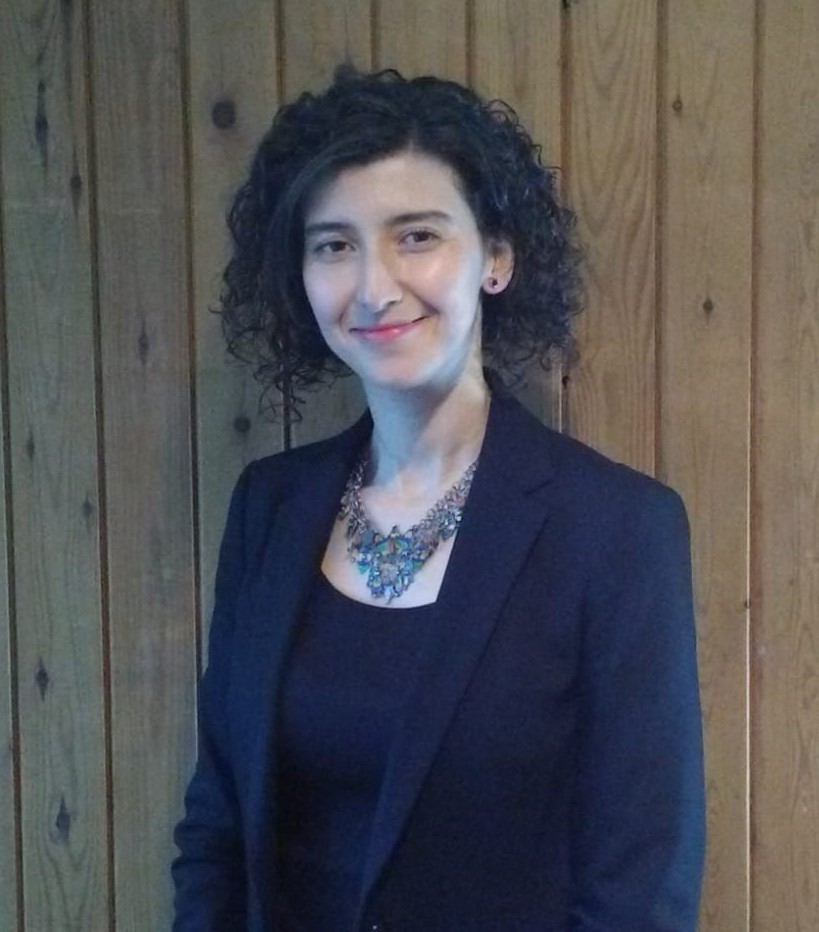
Sabah BOUFKHED has developed extensive experience in interdisciplinary research since completing his PhD in public health and epidemiology. Her work at the Cicely Saunders Institute, King's College, London, involved a survey of palliative care in the Middle East (Turkey, Palestine, Jordan). She sought to define the needs of children and adults in this field, with a view to developing such care in conflict-affected areas.
Belgium
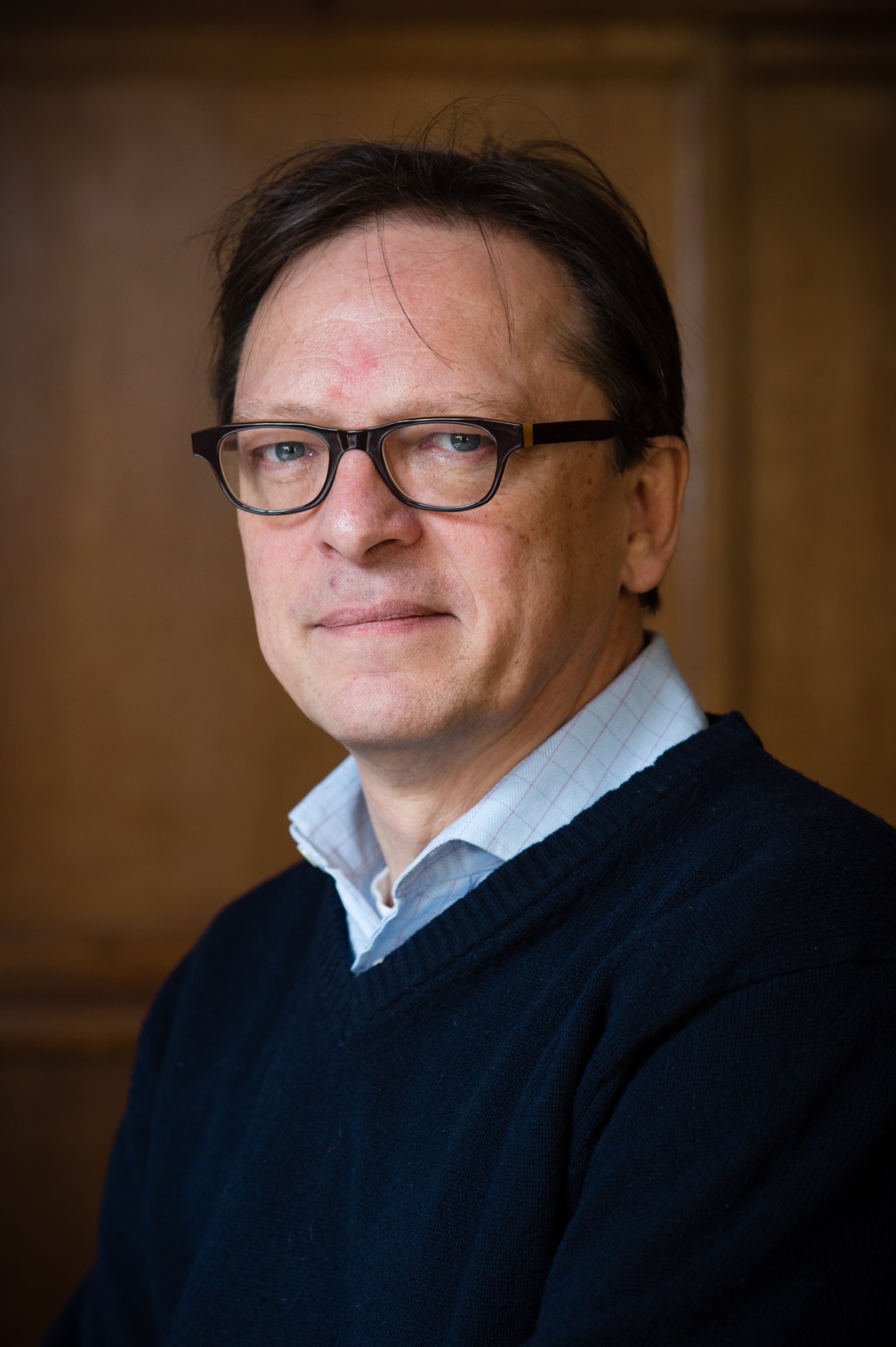
Luc DELIENS is director of the End of life care research group (EOLC research group, Ghent University and Vrije Universiteit Brussel-VUB). A medical sociologist, he teaches palliative care research at both universities. With twenty-five years' experience of interdisciplinary work in this field, he is currently coordinating a project on compassionate communities involving eight teams from different faculties.
Photo credit: Nik Vermeulen
Canada
Diane GUAY is a nurse by training. After twenty years spent in intensive care units, she developed an interest in end-of-life research and conducted work on the integration of the palliative approach in these care units. This was a participatory action research project involving numerous players, which enabled the co-construction of an intervention in a clinical setting.
Spain
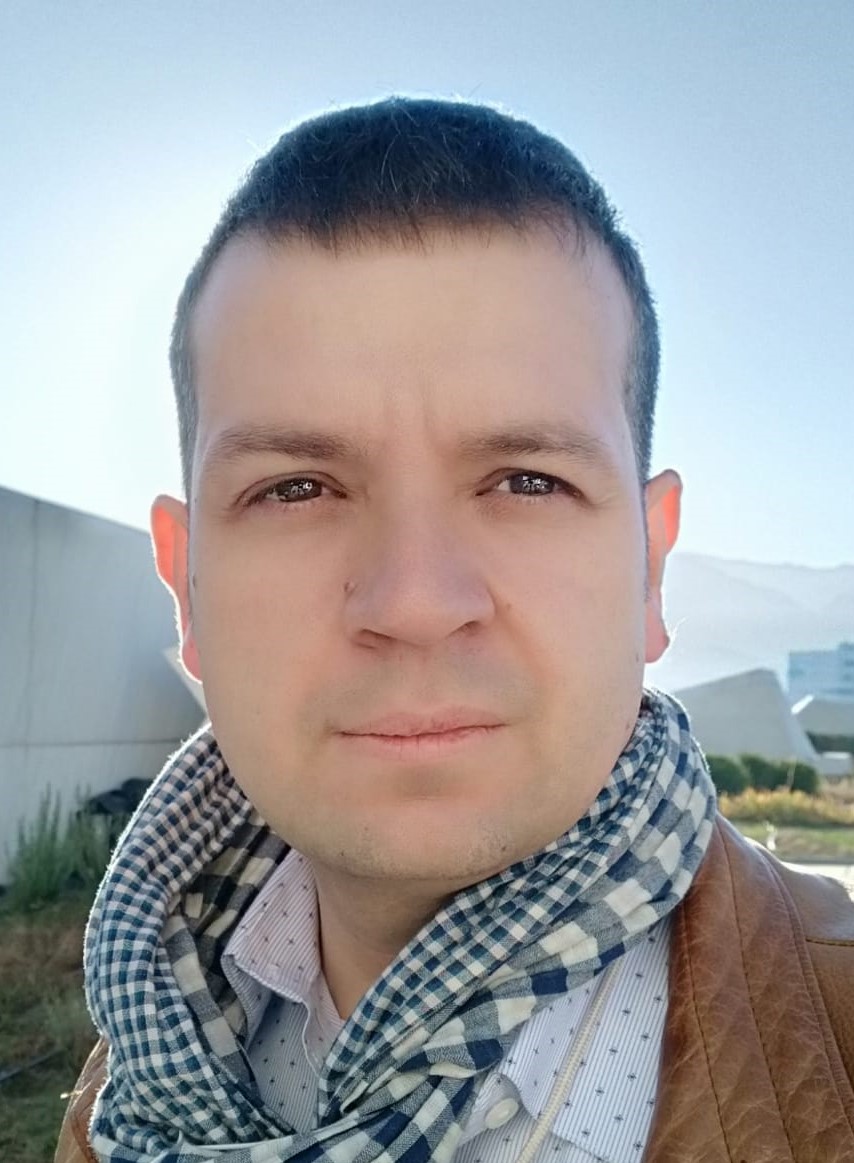
Rafael MONTOYA is a specialist in social anthropology. He studies the psychosocial aspects of health and illness. He works at the University of Granada, in an interdisciplinary team including psychologists, nutritionists and nurses. Many of his team members are interested in end-of-life issues, palliative care, death and bereavement. He is a member of the Spanish End of life research network.
Switzerland
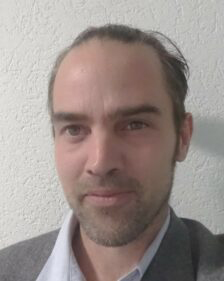
Alexandre PILLONEL is a sociologist. He is interested in assisted suicide in Switzerland. He has worked with other sociologists, anthropologists and psychosociologists as part of an ethnographic approach to this issue, interviewing all the people (volunteers, forensic doctors...) involved in the assisted suicide process, which is by its very nature interdisciplinary.