

Why conduct interdisciplinary research on the end of life?
They work in Belgium, Spain, Switzerland, the UK and Canada. All are engaged in interdisciplinary research related to end-of-life and palliative care. We asked them about their experience of this collaborative work, the difficulties they have encountered and the benefits they have gained.
United Kingdom
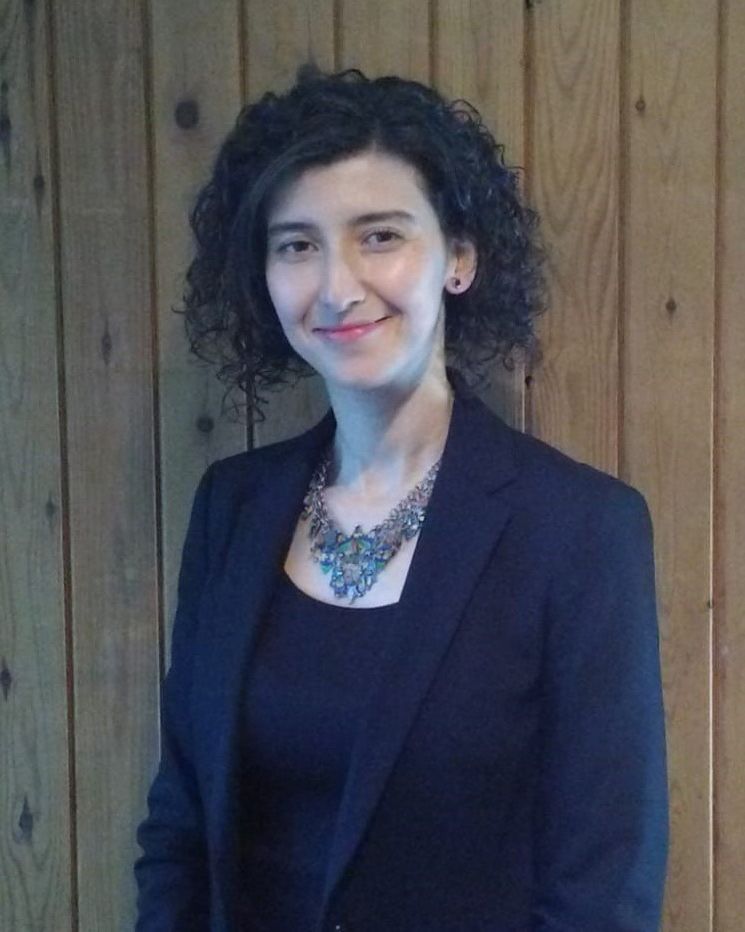
Sabah BOUFKHED has developed, since his thesis in public health, epidemiology and humanitarianism, extensive experience of interdisciplinarity in research. Her work at the Cicely Saunders Institute, King's College, London, involved a review of palliative care in the Middle East (Turkey, Palestine, Jordan). She sought to define the needs of children and adults in this field, with a view to developing such care in conflict-affected areas.
Belgium
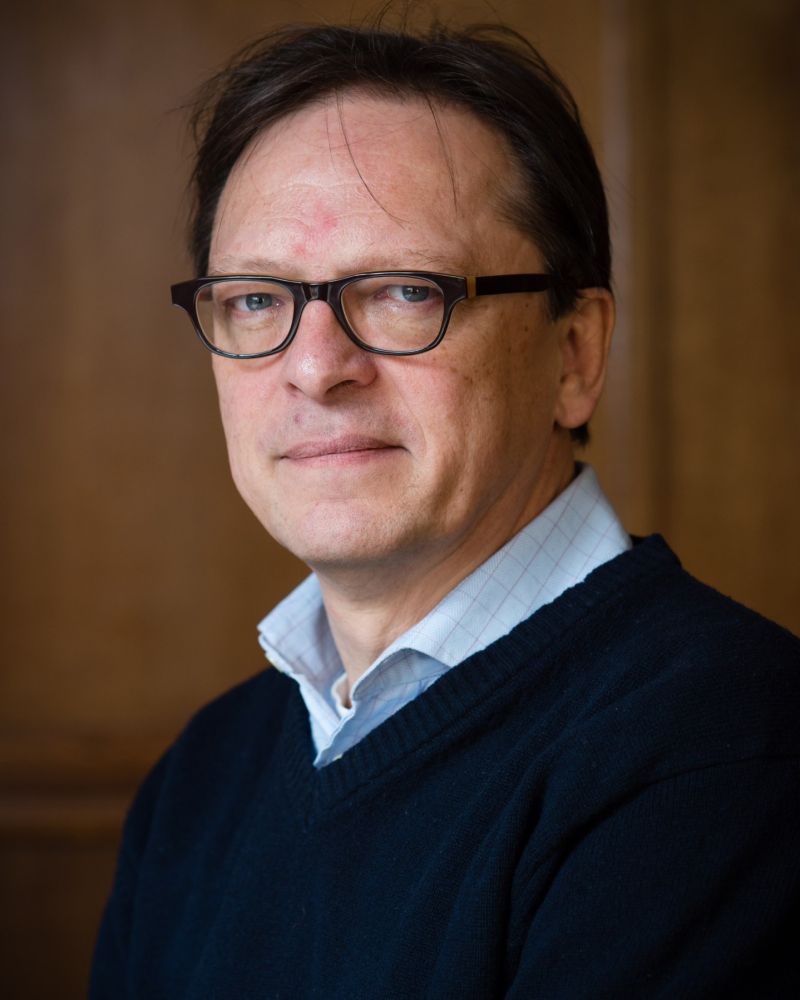
Luc DELIENS is director of the End of life care research group (EOLC research group, Ghent University and Vrije Universiteit Brussel-VUB). A medical sociologist, he teaches palliative care research at both universities. With twenty-five years' experience of interdisciplinary work in this field, he is currently coordinating a project on compassionate communities involving eight teams from different faculties.
Photo credit: Nik Vermeulen
Canada
Diane GUAY is a nurse by training. After twenty years spent in intensive care units, she developed an interest in end-of-life research and conducted work on the integration of the palliative approach in these care units. This was a participatory action research project involving numerous players, which enabled the co-construction of an intervention in a clinical setting.
Spain
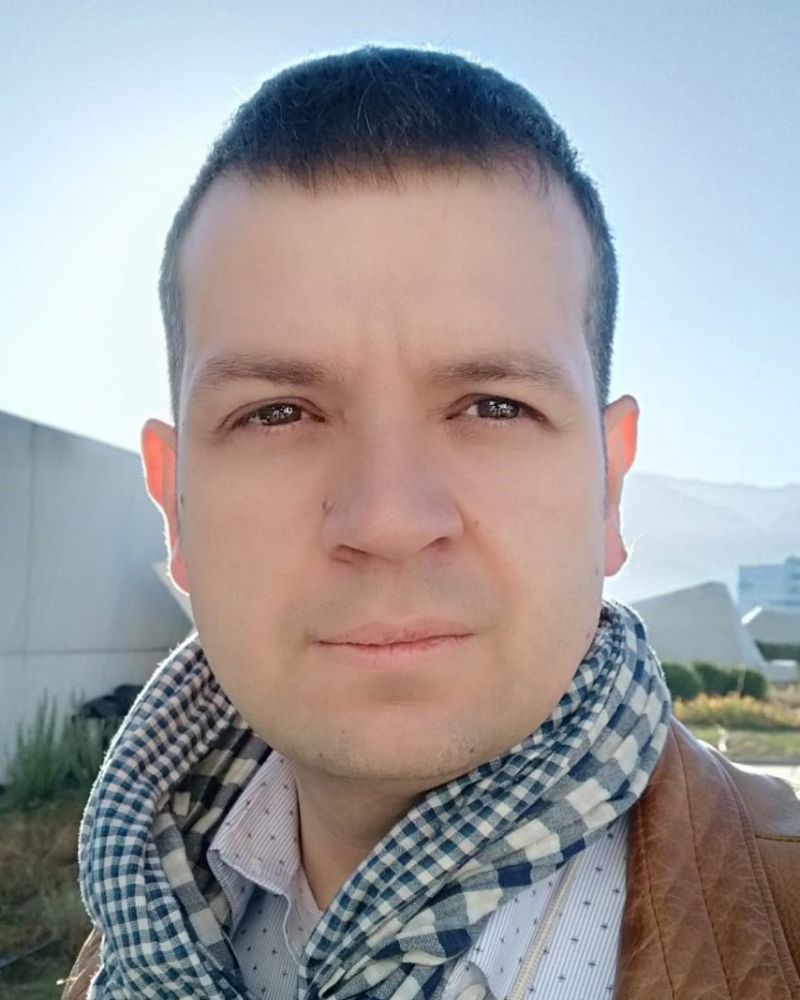
Rafael MONTOYA is a specialist in social anthropology and a member of the Spanish End of life research network. He studies the psychosocial aspects of health and illness. He works at the University of Granada, in an interdisciplinary team that includes psychologists, nutritionists and nurses. In his team, many are interested in end-of-life, palliative care, death and bereavement.
Switzerland
Alexandre PILLONEL is a sociologist. He is interested in assisted suicide in Switzerland. He has worked with other sociologists, anthropologists and psychosociologists as part of an ethnographic approach to this issue, interviewing all the people (volunteers, medical examiners...) involved in this essentially interdisciplinary process.
What is interdisciplinarity? For you, what has been the contribution of the interdisciplinary approach?
-Alexandre Pillonel: Interdisciplinarity means using different concepts on a given subject to get along with others and create a form of resonance between different approaches. Finally, death is something very particular and abstract. It's a "non-object" that can open up a multiplicity of viewpoints. That's why you need to call on many disciplines to work on this subject.
- Luc Deliens: Palliative care research is often focused on the clinical aspects of care, whereas at the end of their lives, people first and foremost need care and social support, which are mainly provided by their loved ones. What's more, much research is based largely on doctors' testimonials, even when it comes to assessing the patient's experience. There are many taboos surrounding death, and doctors do not always have the communication skills to deal with it properly. More attention should be paid to the holistic approach (social, spiritual and psychological support...) and to the patient's entourage. And if we steer research in this direction, we need to look to other faculties for expertise that doctors don't have.
-Rafael Montoya: Working with people from a variety of specialties enables us to bring different solutions to the same problem. This is crucial in palliative care. When we proposed our project in retirement homes, we were asked to collaborate sometimes with the psychologist, sometimes with the social worker, sometimes with the doctor... In the end, the experience went very well, there was continuous feedback and no need to make any specific effort to promote interdisciplinarity. It's certainly difficult to reconcile the different perspectives, but it's extremely rewarding because you're not alone.
-Sabah Boufkhed : Interdisciplinarity, for me, is when you really immerse yourself in each other's methods and manage to communicate between different disciplines. Right from my thesis, I had to draw on concepts from many disciplines and work in a very wide field, including outside the academic world (for example, with trade unionists and institutionalists). As someone who was originally very focused on quantitative and statistical approaches, I found myself doing interviews and focus groups with people from many professions and disciplines outside my field of research. When you're a specialist in one discipline, you can sometimes be a bit narrow-minded. I must admit that, before I began immersing myself in the community in which I met the future participants in my research, I wasn't convinced of the importance of qualitative research for my work. I wasn't at all familiar with the power of other disciplines and qualitative methods. My fieldwork and my learning, out of necessity, of these methods, completely unblocked my way of thinking. Since then, I've got into the habit of "translating" the language of one discipline into another. I can no longer confine myself to a single specialty; it's become my trademark. We have a lot to learn from each other, and that's what interests me.
-Diane Guay: It's an interactive process aimed at establishing common goals between different players with unique and complementary knowledge, expertise and perspectives. I include here the perspective of the patient and his or her family. We have everything to gain from interdisciplinarity, especially in palliative care. Disciplinary silos must be broken down and dialogue opened up if we are to consider the human being as a whole and meet the multidimensional needs of patients and their families. Interdisciplinarity was at the heart of my project, since action research is a research process that aims to improve a situation collectively judged to be sub-optimal, to produce change through the discovery of solutions negotiated and "made sense of" by and for the local players themselves. I'm convinced that interdisciplinarity is the most promising and effective strategy for introducing the palliative approach into the intensive care sector (which is still largely influenced by the classical biomedical approach, and death often remains obscured there).
Is interdisciplinarity more developed these days? Have you observed any evolution over time?
-LD: The field of palliative care research has broadened considerably, both in terms of the subjects covered and the disciplines involved. Initially, the focus was on the clinical symptoms of cancer patients. Today, palliative care is present in all hospital disciplines, even if this is not yet sufficient.
-AP: In the training of researchers, much emphasis is placed on the need for an interdisciplinary approach. It's a standard that is now transmitted during our "academic socialization".
-DG: Fortunately, there has been a clear movement in favor of collaborative research projects in Quebec in recent years. The interdisciplinary approach is establishing itself as a means of responding to the complex needs of palliative care patients, and is fostering inter-university and inter-network alliances.
Is it more complicated to obtain funding for an interdisciplinary research project?
-AP: It's very clearly an advantage. We are in the process of responding to a call for projects from the Swiss National Science Foundation, in which the wealth of disciplines is essential.
>-DG: On the contrary! in Canadian research, interdisciplinarity is one of the award criteria favored by the main granting agencies. Inter-network projects that promote intersectoriality and citizen involvement are highly valued.
-DG: On the contrary!-SB: Interdisciplinarity is a positive point that funders appreciate. In England, it's a very encouraged element in research, there's a lot of collaborative and interdisciplinary funding.
-SB: Interdisciplinarity is a positive point that funders appreciate
-LD: Even if it's a lot easier than it was 30 years ago, presenting an interdisciplinary project still requires more effort than a conventional project, for example if you propose methodologies other than those to which juries are accustomed. Researchers need to learn how to educate evaluation panels so that their interdisciplinary point of view is clearly understood.
-RM: It depends. Some structures encourage interdisciplinarity, but when they're rigid and inflexible it can cause problems. For example, we try to include psychologists in health research institutes, so that they can submit calls for projects and publish, but this is sometimes administratively complicated, as psychologists in Spain are not considered health professionals by all institutions.
-RM: It dependsIs it more difficult to publish?
-LD: I find that there's no real worry about publishing palliative care research because you're always innovative, whatever field you publish in. You can target journals from many disciplines (oncology, pediatrics...) in addition to journals specifically focused on palliative care.
-AP : For our project, we had anticipated the question of publication and planned at the outset that everyone would propose articles to journals in their field and that the other team members would agree, or not, to co-author (which they did in the vast majority of cases). However, to the satisfaction of all the members of the research team, we have published a monograph that reflects the richness of an interdisciplinary approach.
-SB: There are some scientific journals whose editorial boards have clearly understood the importance of interdisciplinarity, but it all depends on the field of research. For a thesis, on the other hand, it's more complicated...
-RM: Publication can be a problematic subject in the sense that, to obtain an academic position, it can be mandatory to publish in a certain type of journal. This is why we have sought to publish in both general and specialty journals.
-DG: I don't think this is an issue for journals dedicated to palliative care. On the other hand, you sometimes have to be strategic to publish in specialist journals.
Should all research be interdisciplinary? Can certain dimensions of research be obscured in such an approach?
-AP: There are indeed questions that, as a sociologist, I would have been curious to answer, but which we weren't able to delve into because of the ethnographic approach we had agreed on. An interdisciplinary approach can also generate small frustrations.
-SB: It's not necessarily a good idea to seek interdisciplinarity everywhere. It meets specific needs on certain projects, but we also need very specialized people, focused on their methods, because the depth with which they will answer research questions is not at all the same! The interdisciplinary approach brings new ideas, connections and, often, pragmatism. That's the strength of such an approach.
Published 05/23/2022