

Results of the COVIDEHPAD study
This study, coordinated by the Plateforme, focuses on questions relating to confinement, end-of-life and death in Ehpad during the first wave of the Covid-19 epidemic in France. After two years' work, the results are in.
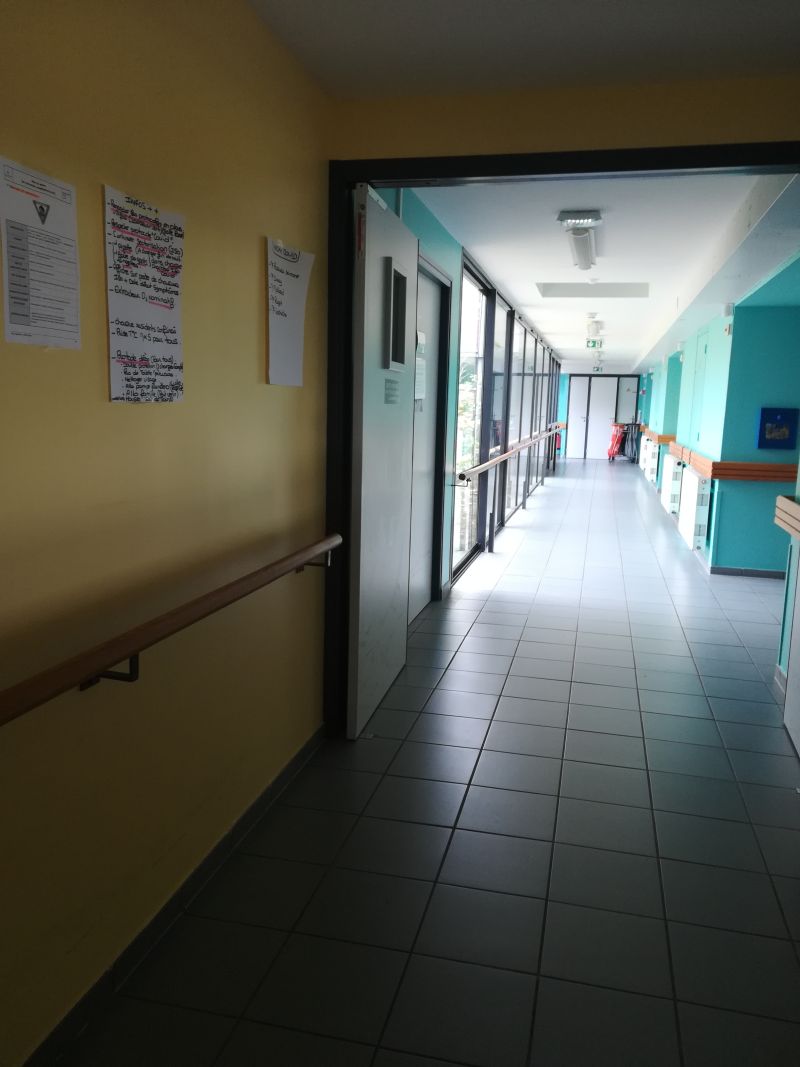
Twenty-six humanities and social sciences researchers (sociologists, psychologists, anthropologists and philosophers) from seven different laboratories surveyed Ehpad professionals, residents and their families in six regions of France1. In order to collect "on-the-spot" data, they conducted individual interviews in April 2020, by telephone, videoconference or face-to-face, with 269 people in 52 Ehpads. The results of this study show the extent to which the first wave of the Covid-19 epidemic has upset the relationship to the end of life and death of the people who work and live in these establishments.
For professionals, residents and their loved ones, the containment measures were a real ordeal. Ehpad teams were forced to work in a destabilizing context. They had to deal with uncertainty in the face of an unknown virus, and follow fluctuating instructions issued by their supervisory authorities. They had to adapt, reorganize work and spaces, make up for the lack of equipment and personnel, while developing new forms of cooperation.
Because they were elderly, frail and living in a collective environment, the residents were particularly vulnerable and exposed to Covid-19. Protective measures were difficult to put in place, due to a lack of equipment, and the virus spread rapidly. Overcrowded hospitals were not always able to admit patients. To take care of them, we had to medicalize the Ehpad, search for equipment and back-up personnel, and call in outside services.
The unpredictability of deaths due to Covid-19 surprised professionals. Due to the urgency of the situation, work overload and health constraints, they encountered difficulties in properly accompanying these unusual end-of-life events, especially as the residents' loved ones could not always be present. The epidemic context also had consequences for the treatment of the bodies of the deceased, with bans on funeral toilets, immediate entombments, and the obligation for some caregivers to have to perform gestures usually the responsibility of the undertakers.
The many interview extracts that punctuate the final report of the COVIDEHPAD2 study offer a striking insight into the experiences of those interviewed. Beyond these accounts and the researchers' analysis of them, the results of this survey raise questions and reflections on the Ehpad model and, more generally, on the place accorded to the elderly and frail in our society.
- Bourgogne Franche-Comté, Grand Est, Auvergne Rhône-Alpes, Hauts-de-France, Île-de-France and Bretagne.
- The COVIDEHPAD study was coordinated by the Plateforme nationale pour la recherche sur la fin de vie and carried out by the Centre hospitalier universitaire (CHU) de Besançon. It is funded by the Caisse nationale de solidarité pour l'autonomie (CNSA), the Ministry of Higher Education, Research and Innovation and the Centre national de la recherche scientifique (CNRS).
Download the full study report
Consult the page dedicated to this study on our website
Published April 25, 2022
Photo credit: Hélène Trimaille