
Navigating the end of life: ethical issues
Eighth and final session of the online seminar "Vieillissements et fins de vie aujourd'hui" jointly organized by the Plateforme nationale pour la recherche sur la fin de vie and the Institut des longévités, des vieillesses et du vieillissement (ILVV).
Session 8
Ethical issues of the chronicization of the end of life
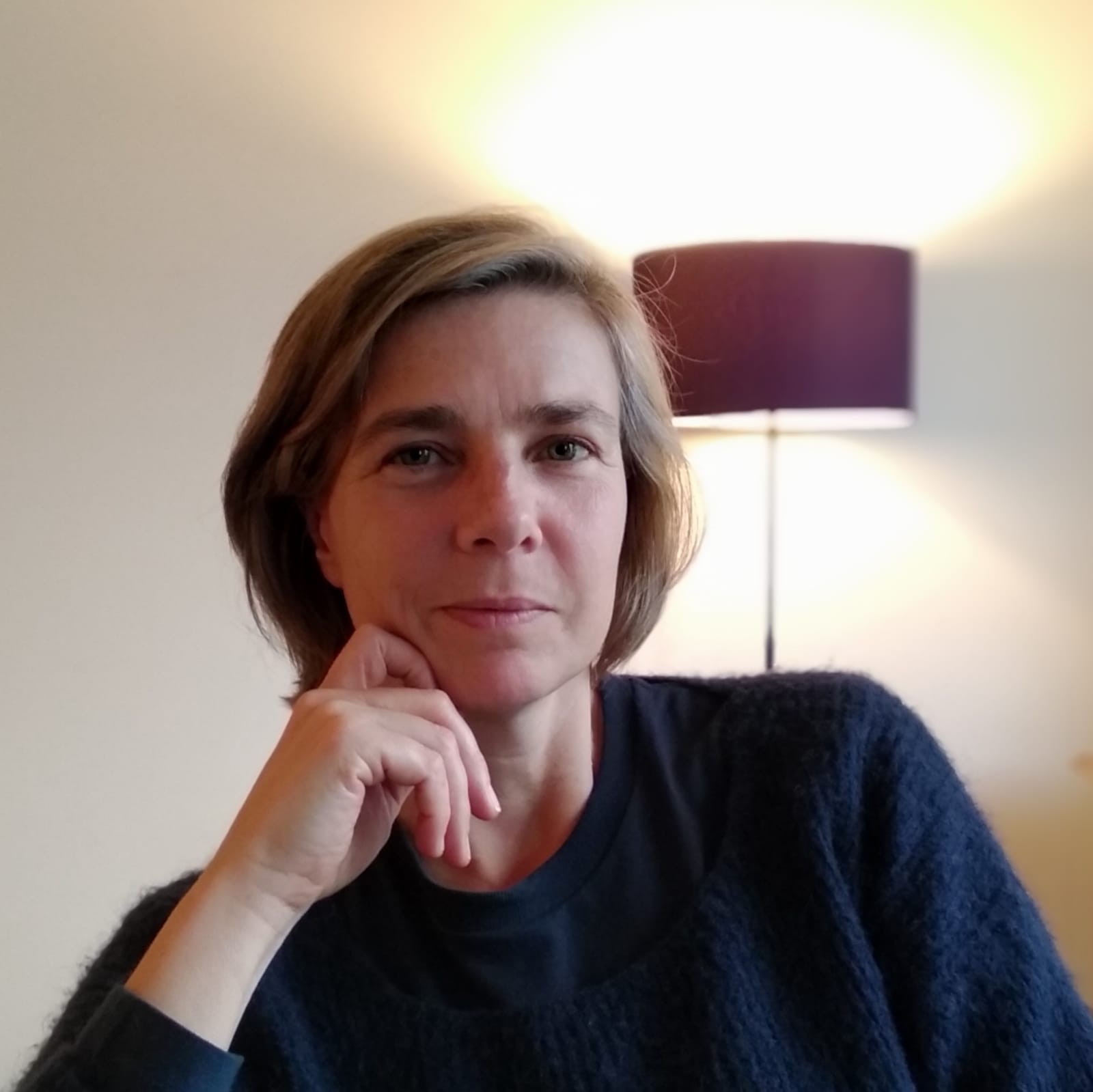
Sandrine BRETONNIÈRE, is a doctor of sociology (CADIS-EHESS), currently Deputy Director of the National Center for Palliative and End-of-Life Care (CNSPFV). After conducting work on cancer patients' journeys, she co-authored, with Philippe Bataille, Vivre et vaincre le cancer : les malades et les proches témoignent, published in 2016 by Autrement. For several years, she has been focusing on end-of-life support issues, with a cross-disciplinary view of medicine. Within the CNSPFV, she leads quantitative and qualitative surveys (deep and continuous sedation until death, Covid and end of life, Identified beds in palliative care, etc.) and collaborates on thematic working groups (advance directives, unreasonable obstination, etc.). His latest publication deals with the often-obscured ethical issue of therapeutic obstinacy in the Covid-19 period.
In this seminar, she will discuss the ethical issues involved in the transformed trajectories of people at the end of life. Longer life expectancy, increasing dependency, new treatments in certain fields, notably oncology, and the hope they raise, are leading to a chronicization of the end of life (chronic dying). How will these new trajectories impact care needs? How is the healthcare field preparing for these transformations?
Helping the individual journey to the end of life through the healthcare system
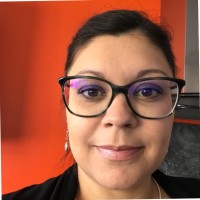
Séverine KOEBERLÉ, is Head of the Geriatrics Department at Besançon University Hospital and a member of the "Ethics, Aging and Medical Progress" multidisciplinary research team at the Clinical Investigation Center (CIC - INSERM 1431). Her research focuses on care pathways for elderly people with neurocognitive disorders, polymedication and ageism in healthcare. She is also a member of the advisory board of the Bourgogne Franche-Comté ethical think tank.
During this seminar, she will discuss the collective ethical issues facing all professionals in the medico-social field as they participate in the individual journey towards the end of life. As people age, they will come into contact with professionals in the medical-social field. Thinking about the end of one's life requires a period of individual reflection, informed by multi-disciplinary visions that adapt to progressive loss of functional independence and loss of autonomy. How can support for individual progress be seen as a form of collective responsibility? Even in the case of neurodegenerative disorders, which introduce the concept of relational autonomy?
Download the full seminar program
Registration before December 13
https://limesurvey.univ-bfc.fr/index.php/963214
En ligne